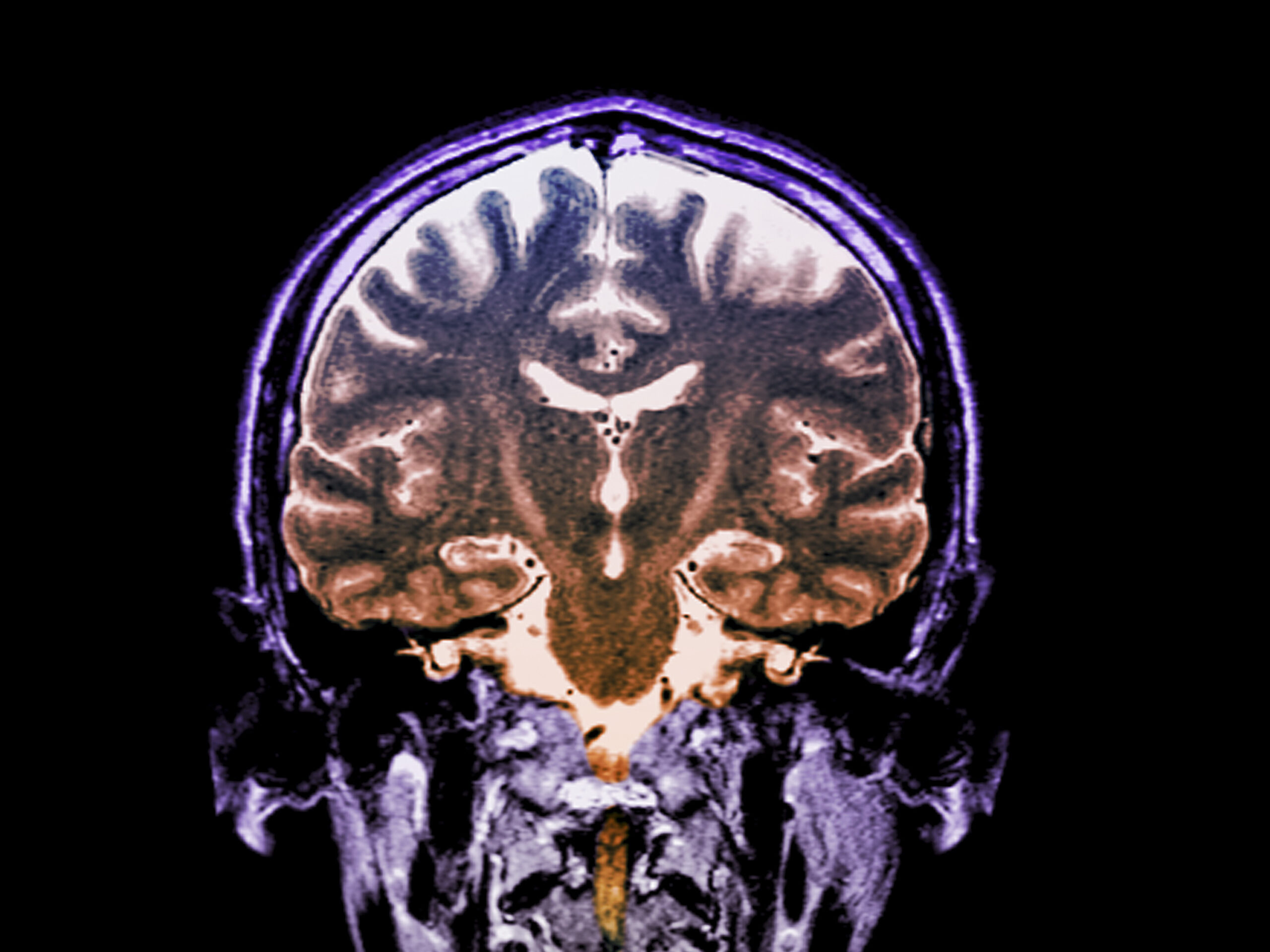
A combination of two experimental drugs appears to slow the decline of patients with amyotrophic lateral sclerosis, an illness often known as ALS or Lou Gehrig’s disease.
A six-month study of 137 patients with a fast-progressing form of the disease found that those who got daily doses of a two-drug combination called AMX0035 scored several points higher on a standard measure of function, a team reports in the Sept. 3 issue of The New England Journal of Medicine.
The difference was modest but meaningful to patients, said Dr. Sabrina Paganoni, the lead author and a researcher at Massachusetts General Hospital and Harvard Medical School.
Read this story now for free
To continue reading, sign up for our newsletter and get unlimited access to WABE.org
You can select your preferences for news and local content. We will never share your email address. Learn how your newsletter sign-up will support WABE and Public Media