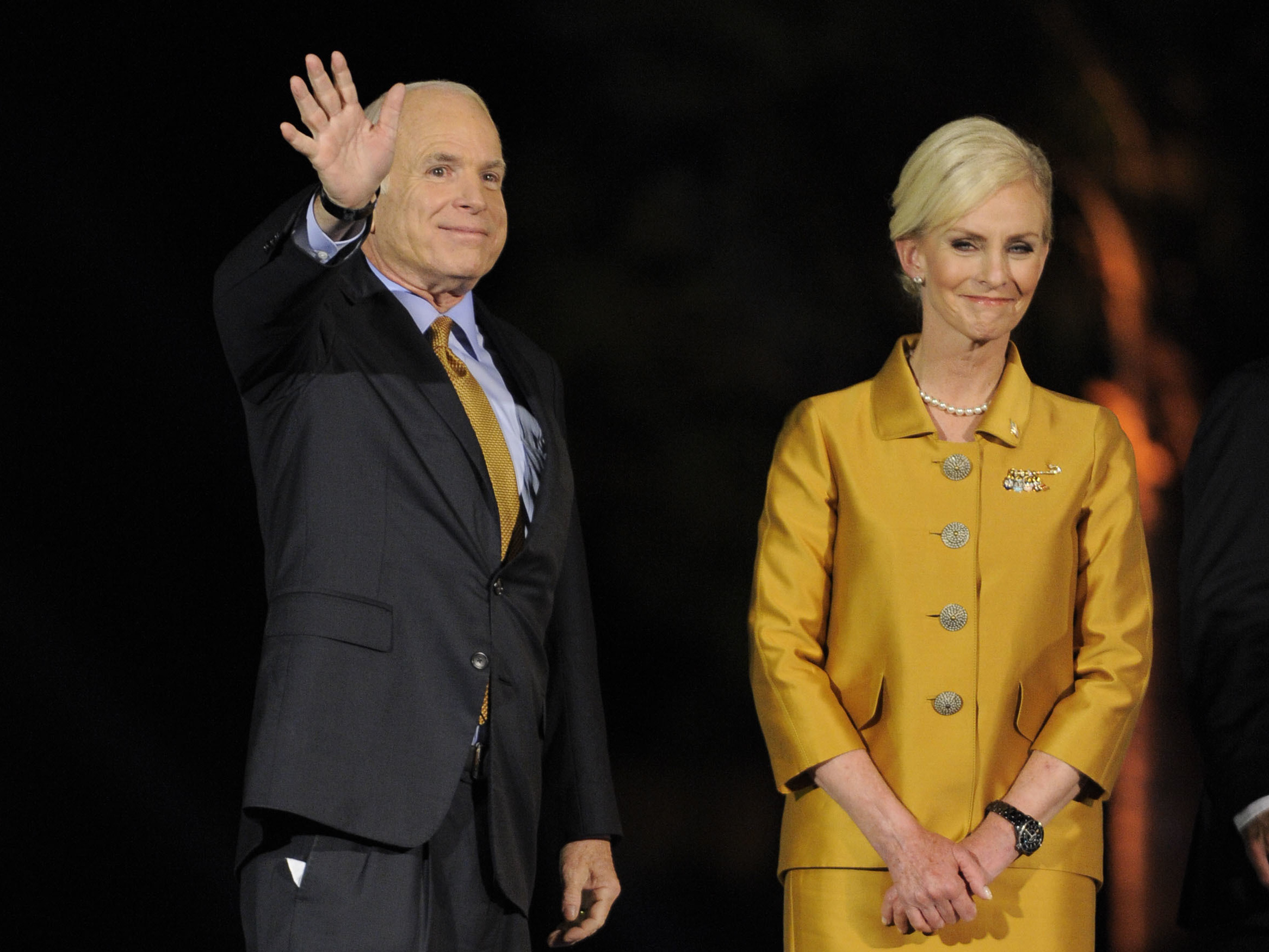
For weeks, the world wondered whether President Trump would win a second term. Now that election officials and observers have declared his opponent “President-elect Joe Biden,” the world wonders whether Trump will concede.
So far, the president has not. Instead, he has said that he won the election “when you count legal ballots” and that he will pursue numerous challenges to the vote-counting process in court. Earlier in the fall, he had said he would agree to a peaceful transfer of power unless the election was “rigged.”
It seems increasingly inevitable that Trump will need to either give a concession speech or explain why he is refusing to do so. There is no legal requirement for it, and a refusal would not lengthen his lease on 1600 Pennsylvania Ave. or extend his powers beyond noon on Jan. 20.
Read this story now for free
To continue reading, sign up for our newsletter and get unlimited access to WABE.org
You can select your preferences for news and local content. We will never share your email address. Learn how your newsletter sign-up will support WABE and Public Media