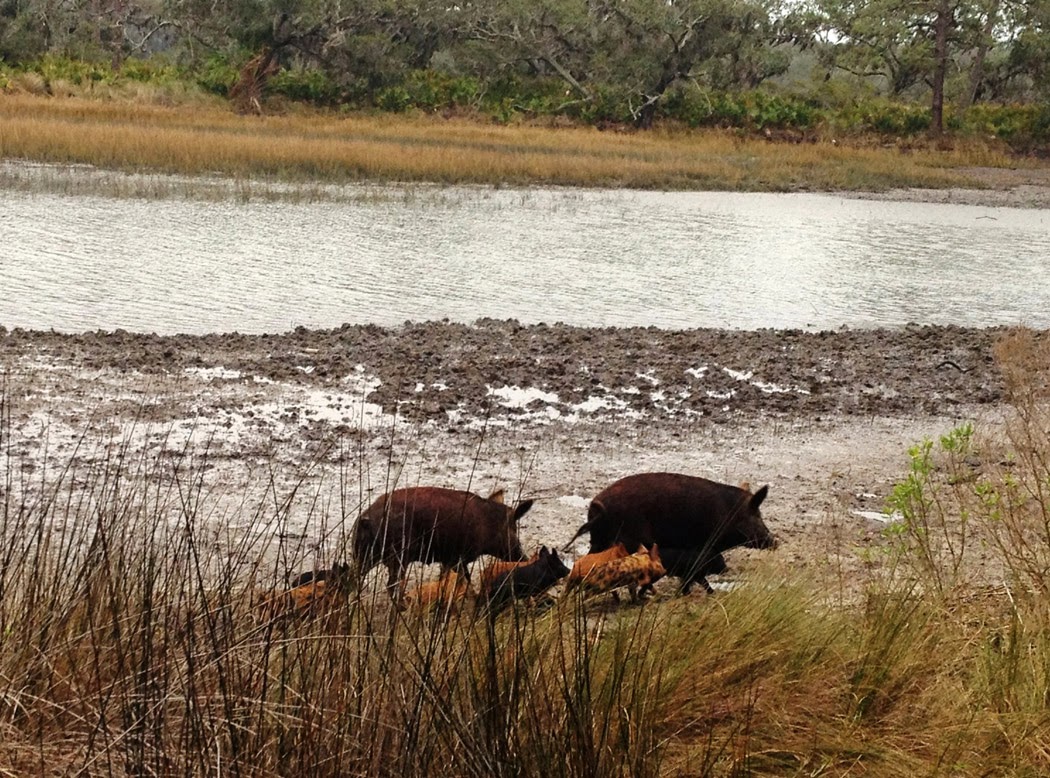
Those vast marshes, which stretch all along Georgia’s coast and barrier islands, aren’t just pretty landscapes for boating and birdwatching. They’re an essential line of defense.
The marshes, and especially their tenacious grasses, help prevent coastal erosion and slow down storms. And they’re incredibly resistant to drought.
That is, as long as they’ve got help from a particular kind of mollusk, called ribbed mussels.
“They’re sort of like an armor that protects marshes from-from the big climate effects,” said Marc Hensel with the Virginia Institute of Marine Science. He’s spent years doing research on Sapelo Island.
Read this story now for free
To continue reading, sign up for our newsletter and get unlimited access to WABE.org
You can select your preferences for news and local content. We will never share your email address. Learn how your newsletter sign-up will support WABE and Public Media