1996 Olympics to 2026 FIFA World Cup: Historians compare culture, class and politics in the ‘Black Mecca’

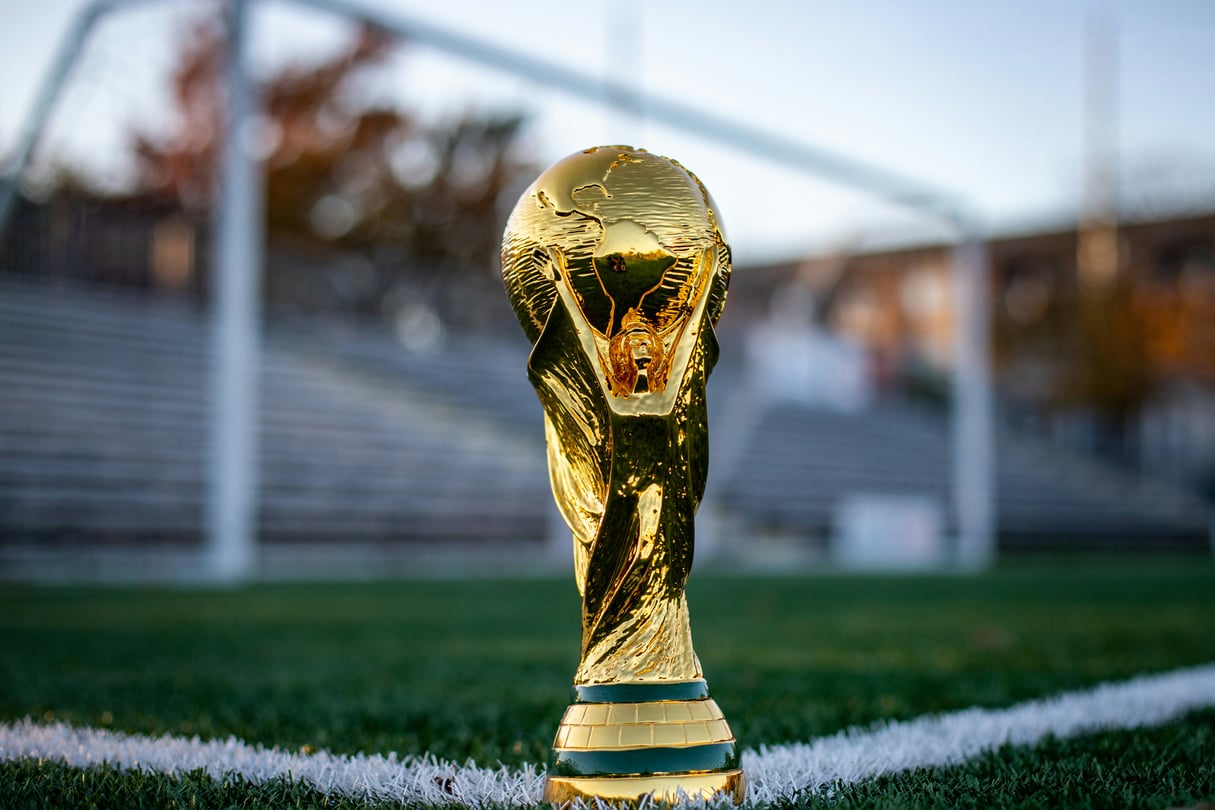
Atlanta will host eight soccer matches of the 2026 FIFA Men’s World Cup. (Courtesy of My Profit Tutor)

With the FIFA World Cup bringing hundreds of thousands to the city of Atlanta this summer, soccer is dominating the city’s sports culture, and establishing Atlanta as even more of an international hub.

Thirty years ago, Atlanta also hosted one of the grandest sporting events in the city’s history: the 1996 Summer Olympic Games. Back then, it seemed that Atlanta was was striving to prove it belonged on the global stage, and soccer was an afterthought. Today, Atlanta United consistently breaks Major League Soccer attendance records.

How do these events compare these many decades apart when it comes to fandom, overall electricity and economic inclusion?


Georgia State University Professor Maurice Hobson has put some thought into the parallels.

“This is going to bring a different level of fans. You’re going to see a different kind of expression in terms of team spirit. And the other side of it, is that hopefully it leaves something in Atlanta that will promote youth soccer in a particular kind of way, that will encourage more young people to get involved with soccer,” Hobson tells WABE’s “Morning Edition.”

Hobson is a professor of Africana Studies and a historian at GSU. He’s also the author of “The Legend of the Black Mecca: Politics and Class in the Making of Modern Atlanta.”

The book explores Atlanta’s rise as a center of Black achievement during the era of Atlanta’s first Black mayor, Maynard Jackson, and the 1996 Olympics. It also critically examines how political leaders often prioritized the interests of the elite Olympic stakeholders over the needs of working-class, Black Atlantans.

Hobson says that now that Atlanta is once again stepping onto the global stage, he hopes the FIFA World Cup forces more accountability from city officials.

“This will be seen as a win for the city of Atlanta, but to say something is a win for the city does not mean that it translates and trickles down to the least of these, to the people, to the indigenous populations that actually live in the city.”