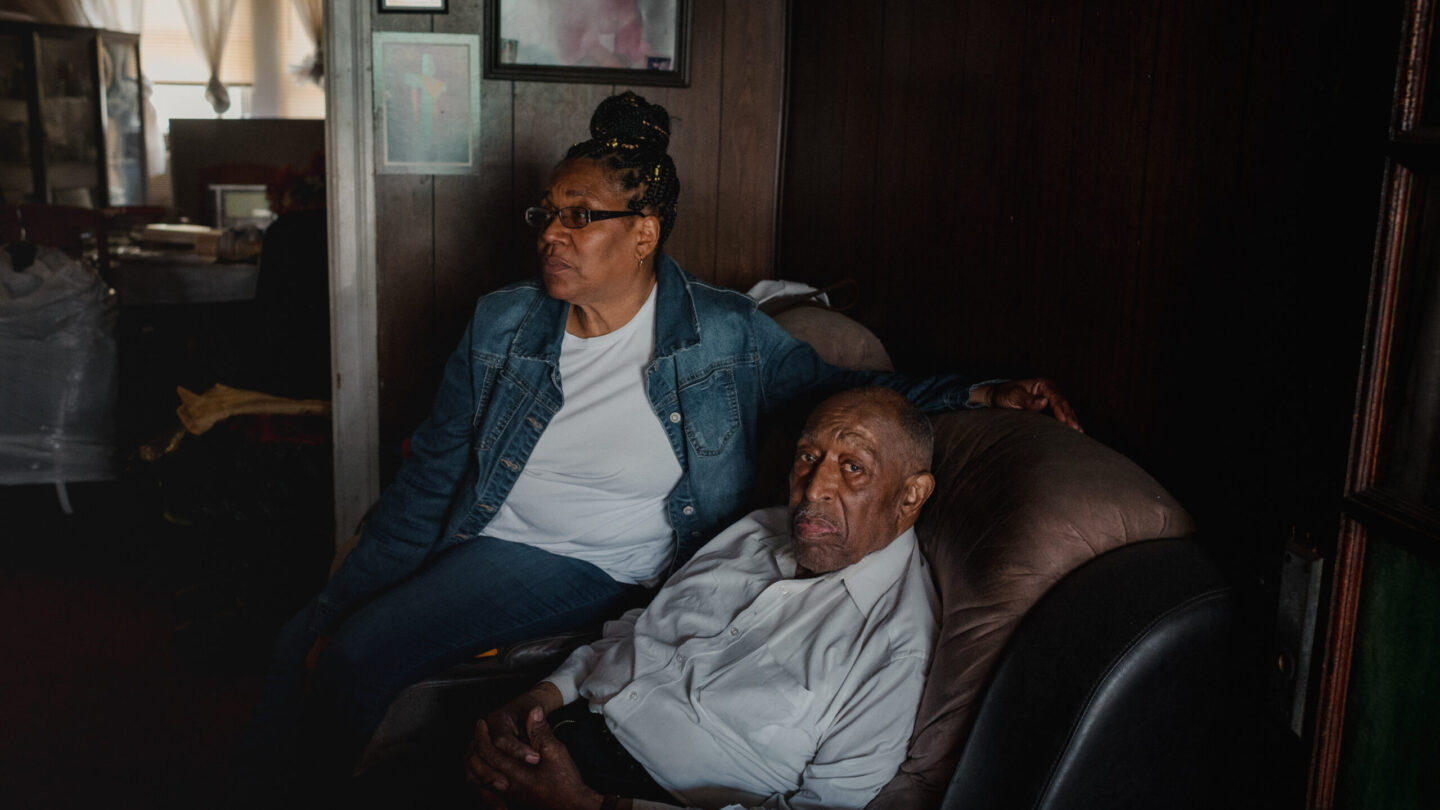
Joseph Davis raised five children in the two-story row home he and his wife bought in the mid-1960s in North Philadelphia, near the automotive parts factory where he worked.
Now, Davis struggles to keep up the house on a fixed income. Plaster peels away from the walls on the second floor. Investors call and offer to buy it, but Davis, who is now widowed, plans to stay as long as he can.
“They want me to move out, [but] I feel good in my home,” he says. Then he adds with a chuckle, “I’m 89 years old. I’ll probably die here.”
Read this story now for free
To continue reading, sign up for our newsletter and get unlimited access to WABE.org
You can select your preferences for news and local content. We will never share your email address. Learn how your newsletter sign-up will support WABE and Public Media