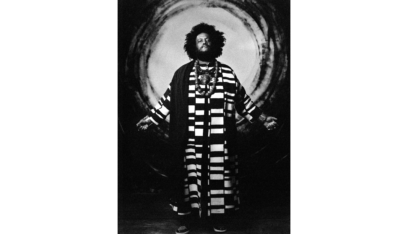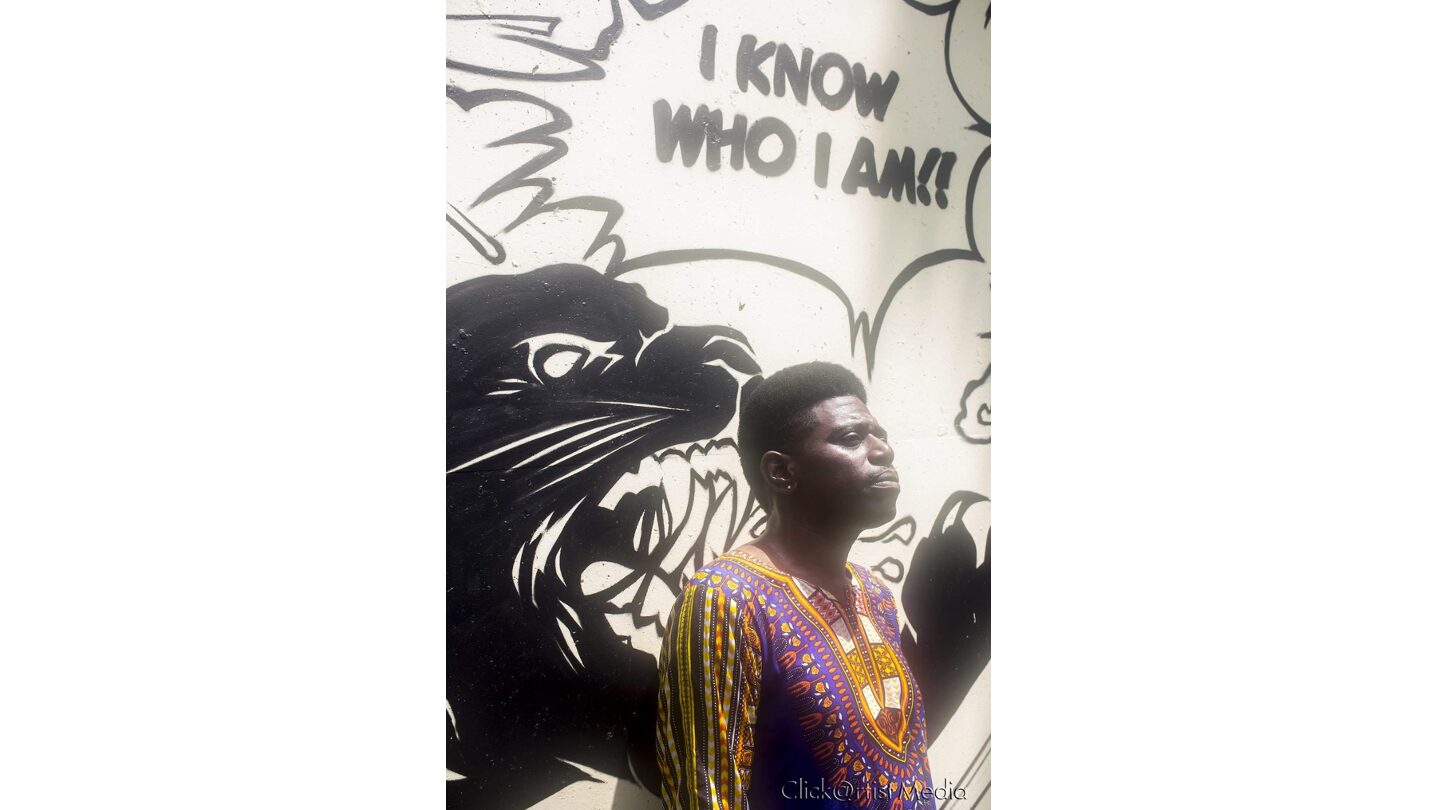
When singer-songwriter Donnie released “The Colored Section” in 2001, it landed in the same Atlanta indie soul moment that gave the world India.Arie, Anthony David, and Avery Sunshine. Critics heard echoes of Marvin Gaye and Stevie Wonder. Fans heard something made specifically for them. This Sunday at 5 p.m., Donnie performs at the 49th Annual Atlanta Jazz Festival in Piedmont Park — marking his return to one of Atlanta’s largest stages after nearly two decades away.
Atlanta’s influence
Donnie, born Don Johnson, became a professional singer at 15. He got his start at the legendary Curtis Mayfield Recording Studio in Ben Hill, Atlanta, where a cousin helped him get in the door, recording background vocals for gospel icons such as Tramaine Hawkins, André Crouch, Shun Pace Rhodes and Yolanda Adams. His early career took him beyond Atlanta to the Pre-Olympics Festival in Barcelona and the Quincy Jones Montreux Jazz Festival in Switzerland before bringing him back home.
The scene that would shape him most, though, was a supper club in downtown Atlanta. In the late 1990s, Donnie became a regular at the Yin Yang Café, a gathering place for the indie soul artists who would define a generation: India.Arie, Joi, Anthony David, Avery Sunshine.
Read this story now for free
To continue reading, sign up for our newsletter and get unlimited access to WABE.org
You can select your preferences for news and local content. We will never share your email address. Learn how your newsletter sign-up will support WABE and Public Media