DeKalb County to apply for another extension on federal agreement to fix sewage system

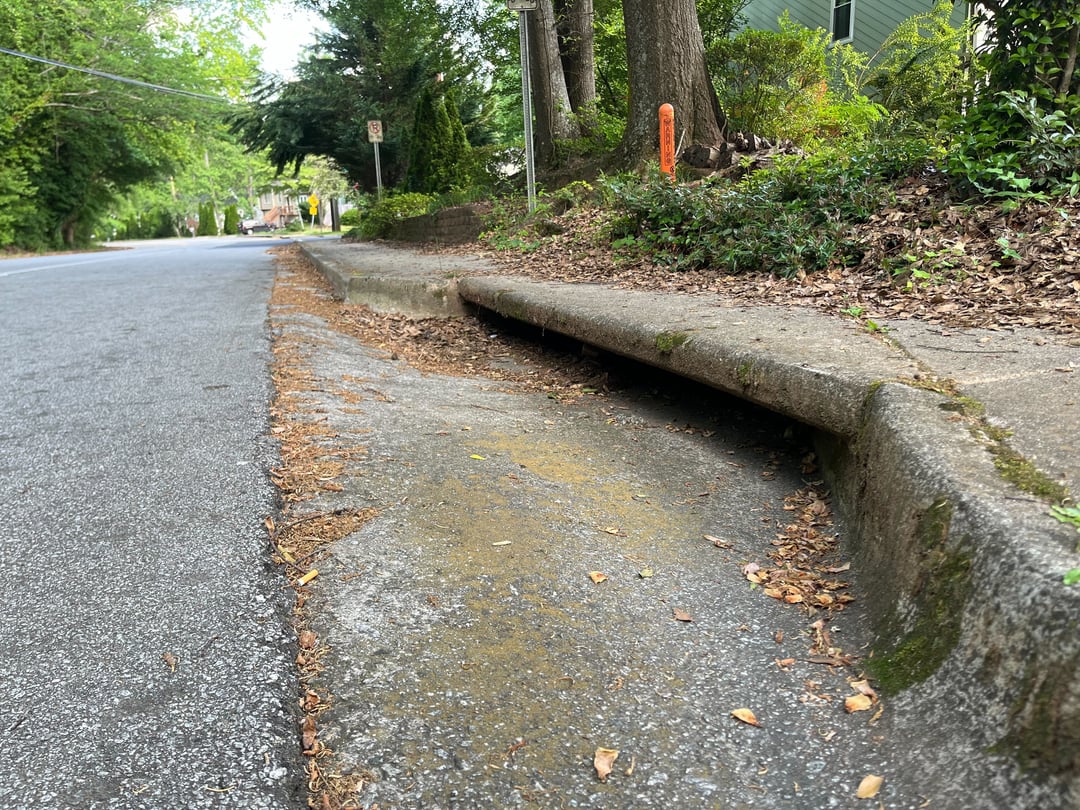
DeKalb County is seeking more time to address long-running issues with its sewers, including chronic spills and overflows of untreated sewage into local waterways and neighborhoods. (Emily Wu Pearson/WABE)

DeKalb County is seeking more time to address long-running issues with its sewers, including chronic spills and overflows of untreated sewage into local waterways and neighborhoods.

In an April 30 hearing in front of a federal judge, the county agreed to submit an official proposal to overhaul its agreement with state and federal regulators to address its sewer problems.

Earlier this year, the DeKalb Board of Commissioners passed a big, decade-long rate increase to raise money for water and sewage infrastructure needs. Now that the county has more money coming in, its lawyers are asking for more time.


This isn’t the first time DeKalb has asked for an extension on its agreement, called a consent decree. The county missed its original deadline in 2020, and a federal judge agreed to push it back to 2027. 

On his last day in office this January, former DeKalb CEO Michael Thurmond announced DeKalb wouldn’t meet that 2027 deadline, either. He said the county needed even more time and more money. 

In a Jan. 30 meeting, Judge Steven D. Grimberg heard DeKalb’s arguments and said there’d be a steep fine for missing the 2027 deadline. The county had asked at that point to extend the deadline to 2037.

Now, the judge has told Dekalb’s lawyers what the county is looking for isn’t just an extension — it’s a full modification of the federal consent decree, which was first signed in 2011. That requires a different legal process, so Grimberg requested in the coming weeks that DeKalb County submit its proposal to the court.

Lawyers for the Georgia Environmental Protection Division and the U.S. Environmental Protection Agency argued against an extension and said after years of delays the county should face consequences for missing its deadlines. They said they wanted to see the county acting with more urgency, pointing out the ongoing threats to public health and the environment.

The state and federal attorneys also argued DeKalb should consider more interim, temporary fixes to provide relief for residents while permanent repairs are in the works. DeKalb said its current plans already do include some stopgaps, and the county’s lawyers said several of the required sewer projects are expected to be completed much sooner than 2037, possibly before 2030.

Both the state and federal governments and DeKalb County agree while this legal saga plays out, construction work will continue.

Grimberg also ordered the parties to meet and decide what the fine will be for DeKalb coming back to him, “hat in hand,” for another extension. He said any extension wouldn’t be “a get out of jail free card” — and the county will still face penalties for missing deadlines.