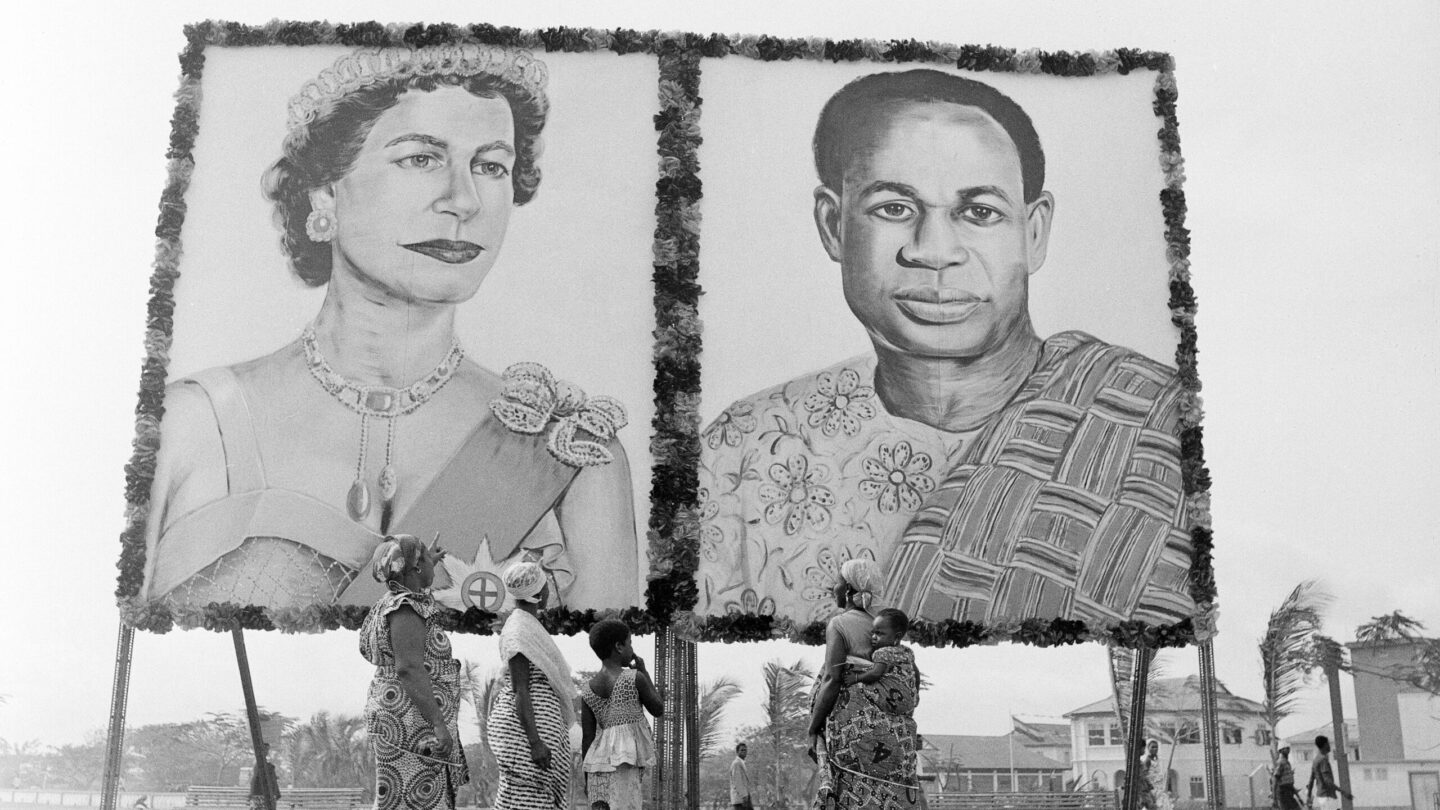
Upon taking the throne in 1952, Queen Elizabeth II inherited millions of subjects around the world, many of them unwilling. Today, in the British Empire’s former colonies, her death brings complicated feelings, including anger.
Beyond official condolences praising the queen’s longevity and service, there is some bitterness about the past in Africa, Asia, the Caribbean and elsewhere. Talk has turned to the legacies of colonialism, from slavery to corporal punishment in African schools to looted artifacts held in British institutions. For many, the queen came to represent all of that during her seven decades on the throne.
In Kenya, where decades ago a young Elizabeth learned of her father’s death and her enormous new role as queen, a lawyer named Alice Mugo shared online a photograph of a fading document from 1956. It was issued four years into the queen’s reign, and well into Britain’s harsh response to the Mau Mau rebellion against colonial rule.
Read this story now for free
To continue reading, sign up for our newsletter and get unlimited access to WABE.org
You can select your preferences for news and local content. We will never share your email address. Learn how your newsletter sign-up will support WABE and Public Media