A federal rule change set to go into effect this fall could cause big changes to Georgia’s landscape, and environmental groups are sounding the alarm.
“It’s probably the worst action that’s ever been taken in the history of the Endangered Species Act,” said Will Harlan, southeast director of the Center for Biological Diversity in Asheville, North Carolina. “It is absolutely devastating for not just listed species, but all wildlife. It will wreak havoc upon the ecosystems that both wildlife and humans depend upon.”
The change rescinds the definition of “harm” in the Endangered Species Act. Under the new rule, intentionally killing a protected species remains forbidden, but indirectly killing a species by altering or destroying its habitat is not.
The federal government describes the rule change, which is set to take effect Sept. 14, as aligning enforcement with the original intent of the 1973 Endangered Species Act.
But Georgia Wildlife Federation President Mike Worley said protecting species from only direct killing misses the point.
“The hazards to animals aren’t just the direct killing,” he said. “The hazard to a lot of our species today are indeed the habitat conversions, habitat destruction. We are at a place where roughly 80 to 90% of species that are on our endangered list aren’t there because people are shooting them or killing them intentionally.”
Several Georgia endangered species could be under threat by new rule
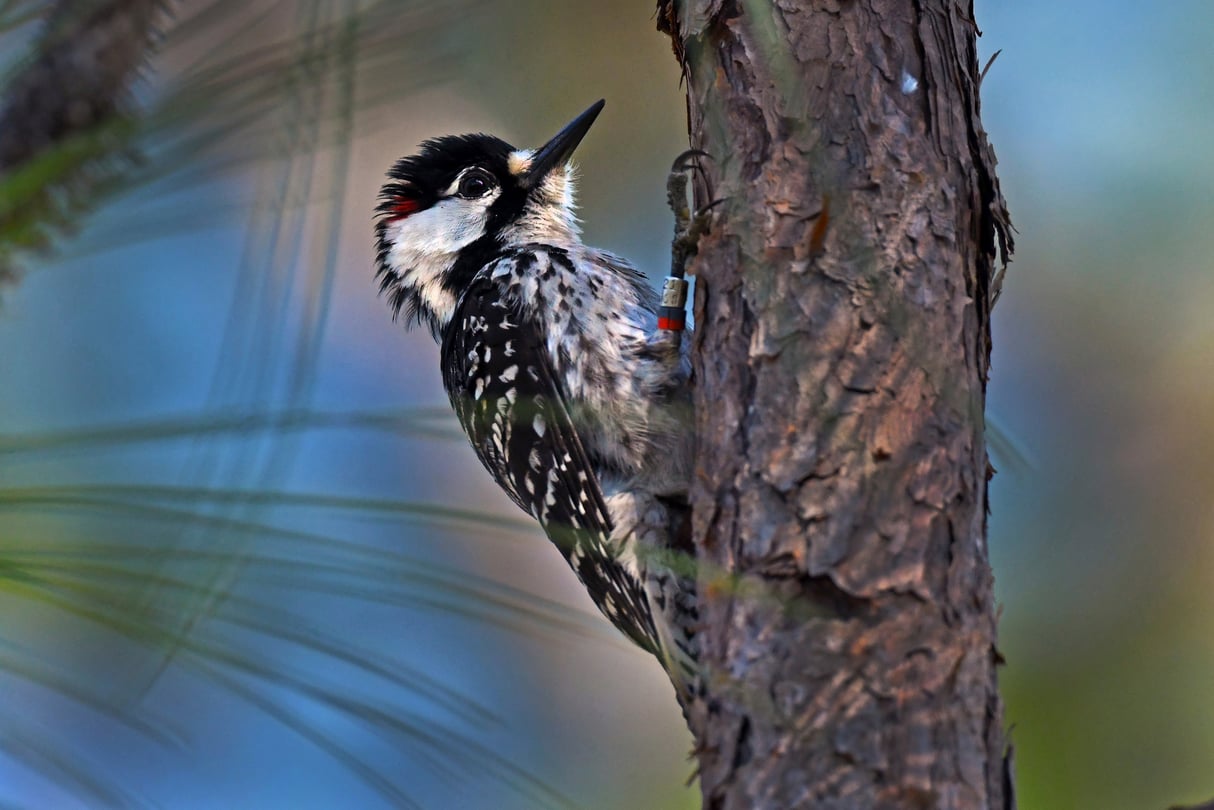
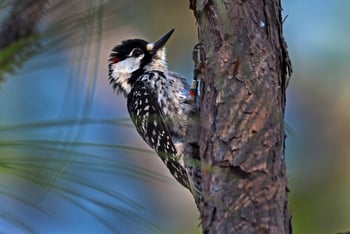
Worley said the red-cockaded woodpecker, a feathery critter who once was common throughout the southeast, could be emblematic of species under threat by the new rule.
“Nobody shoots a red-cockaded woodpecker – I doubt they’re very good table fare,” he said. “Nobody hunts them. Nobody does a direct take of them.”
But in the last century, their numbers dwindled as the longleaf pine forests they once thrived in were reduced to about 3% of their former area due to logging and development.
“That’s why the red-cockaded woodpecker was on the endangered species list, because we had done away with their habitat, not because we had killed too many of the individuals with a gun,” Worley said.
The longleaf pines of the Jones Center at Ichauway, a 29,000-acre research and conservation institute near the southwestern corner of the state, are home to about 200 red-cockaded woodpeckers, up from just one in 1999, thanks to relocation efforts from around the southeast and careful management.
The red-cockaded woodpecker was one of the first species to receive protection under the Endangered Species Act in 1973, and the U.S. Fish and Wildlife Service changed its status from endangered to threatened in 2024 after conservation efforts led to its numbers starting to bounce back.
Jones Center outreach and education coordinator Rachel McGuire said the birds are the only woodpeckers in North America that make their homes in living trees rather than dead ones.
One advantage of that is it allows them to bore holes around the tree, causing sticky resin to leak out and gum up the plans of snakes that climb up trees to eat woodpeckers. They also have a symbiotic relationship with a type of fungus that makes the core of the tree soft and easier to excavate.
Still, even in ideal circumstances, with help from other woodpeckers, it can take at least a year to build a nest, so the loss of an excavated tree can be devastating.
McGuire said highly adapted species like the red-cockaded woodpecker could be among the most vulnerable to the type of habitat loss conservationists worry the rule change will cause.
“The species that stand probably the most to lose are going to be those that need more specialized habitat, species that utilize larger home ranges, so they need simply more habitat, more connectivity,” she said, adding that it’s not unusual for red-cockaded woodpeckers to use up to a few hundred acres for foraging.
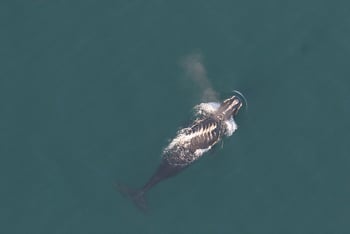
Harlan with the Center for Biological Diversity said he’s worried not just for the woodpeckers, but for species across the state, from humongous North Atlantic right whales that calve on protected sites off Georgia’s coast to credit card-sized bog turtles in the Blue Ridge Mountains.
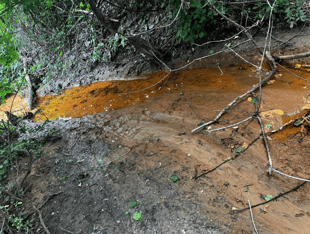
“The protections for sea turtles and shorebirds protect a bunch of other marine species that maybe aren’t listed but are declining or need protections,” he said. “Same with endangered bats and forest birds and hellbenders and mussels and fish. They protect rivers that protect brook trout, which aren’t federally listed but are vital to the fly fishing trout industry of north Georgia, for example. So really all wildlife will be affected if habitat like rivers and forests are allowed to be degraded. Those Endangered Species Act protections were really umbrella protections for all of Georgia’s wildlife.”
Environmental groups sue federal government
In a letter to the U.S. Fish and Wildlife Service during a public comment period, Georgia Department of Natural Resources Wildlife Division manager Ted Will criticized the change as contrary to the language of the Endangered Species Act and potentially harmful.
“We believe that the proposed interpretation of ‘harm’ is incorrect, and could do much to inhibit effective wildlife management and conservation. Habitat management is an integral part of Georgia DNR’s Strategic Plan, and permeates virtually every aspect of what we do as a state wildlife agency.”
Department of Natural Resources manager of external affairs Haley Chafin said in a statement that the department will continue to protect wildlife while following the law.
“Georgia has a reliable track record of conserving and preserving the state’s natural wonders and assets while also promoting greater opportunity for individuals and communities, and it will continue to balance those important objectives in the future,” the statement reads in part.
The Center for Biological Diversity is part of a lawsuit seeking to overturn the rule change. Harlan argues that the change exceeds the Trump administration’s authority.
“Congress passed the ESA, and they made it very clear in the language of the law itself that a species and its habitat are protected under the law,” he said. “Trump is trying to circumvent that by changing how the regulations are implemented, but that doesn’t change the law.”
The U.S. Department of the Interior and the U.S. Fish and Wildlife Service did not respond to requests for comment.
Harlan said Georgia could decide to impose some of its own protections. The state Department of Natural Resources is reviewing recommended revisions to its own protected species list.
“It’s proposing to potentially add new species and maybe strengthen protections for state-listed species,” he said. “That’s different than the federal Endangered Species Act, but Georgia could put some more teeth in its state endangered species act to protect the habitat, to make up for what’s currently being lost federally, so that might be one path.”
But states don’t have the same authority – or the same budget – as the federal government.
“Georgia has in some ways laid a foundation, but the challenges of enacting an endangered species act and the resources that go into overseeing and managing that are enormous,” Worley said.
“I cannot imagine, as a national developer, having to face fifty different endangered species acts across the nation,” he added. “You’ve got to address each one individually and how that state effectively addresses those problems.”
Catherine Wannamaker, an attorney with the Southern Environmental Law Center, which is also suing over the proposed rules change, said the court actions are “hoping to keep this at bay until a new administration has a chance to revisit it.”
But she said the rule change could mean big changes to Georgia’s wild places before that has the chance to happen.
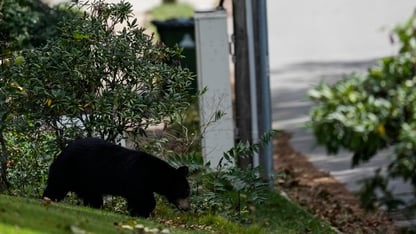
“This is a rule change that has landscape-scale impact, and everyone should care about it,” she said. “Not just for endangered species but because of habitat and common species we all see as we walk around our neighborhoods and drive through our back roads, and it’s just a really, really big deal.”
This story was provided by WABE media partner the Georgia Recorder.