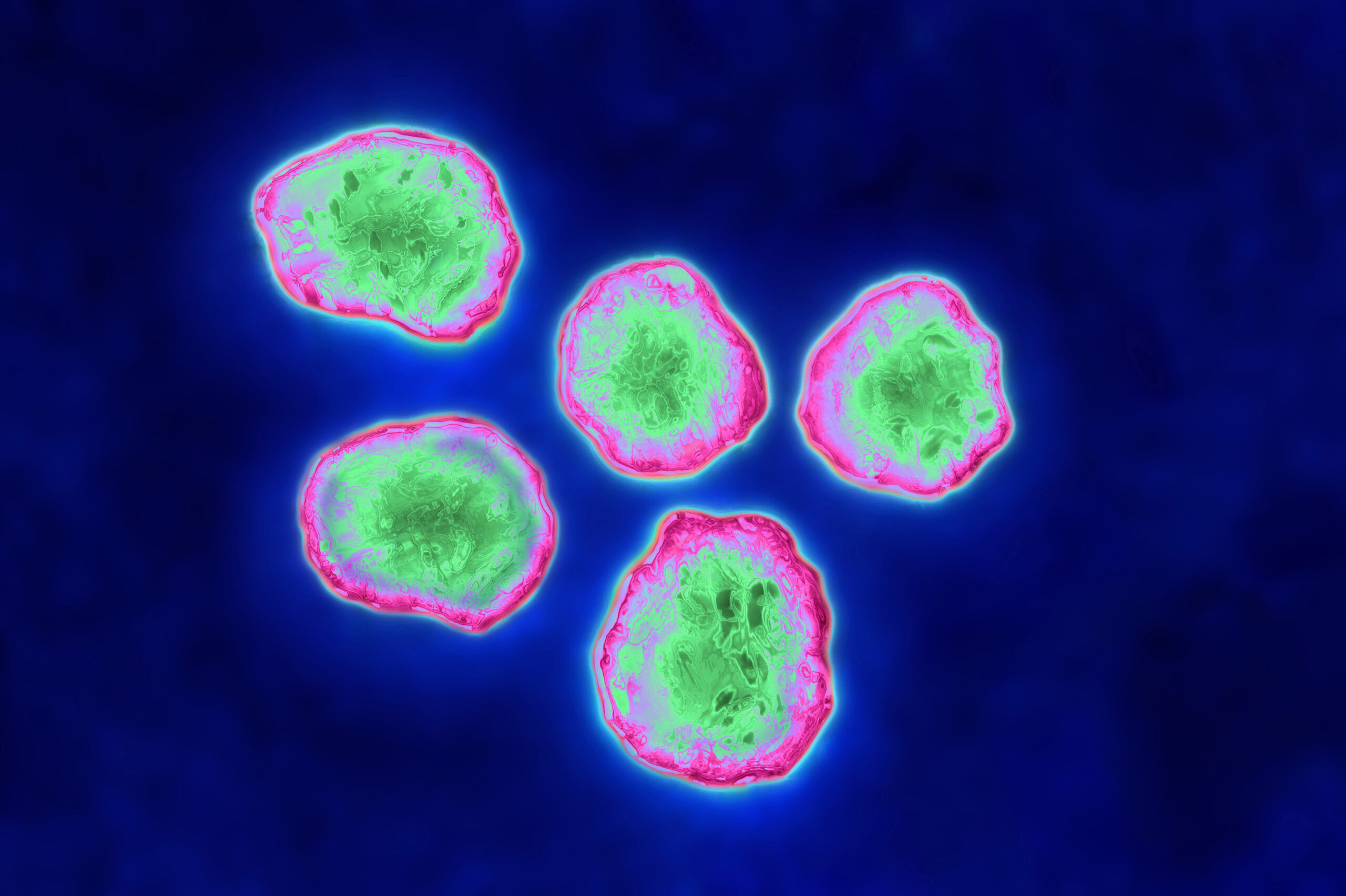
This year saw the largest outbreak of measles in the U.S. since 1994, with 1,250 cases reported, largely driven by families choosing not to vaccinate their kids. Worldwide the disease has resurfaced in areas that had previously been declared measles-free.
Some families choosing not to vaccinate argue measles is just a pesky childhood illness to be endured. But two new studies illustrate how skipping the measles vaccine carries a double risk. Not only does it leave a child vulnerable to a highly contagious disease, but for individuals who survive an initial measles attack, the virus increases their vulnerability to all kinds of other infections for months — possibly even years — after they recover.
The research begins to explain something surprising that happened when the measles vaccine was introduced in the U.S. in the 1960s. Rates of childhood deaths from other diseases fell precipitously. The same thing happened as the vaccine was introduced around the world.
Read this story now for free
To continue reading, sign up for our newsletter and get unlimited access to WABE.org
You can select your preferences for news and local content. We will never share your email address. Learn how your newsletter sign-up will support WABE and Public Media