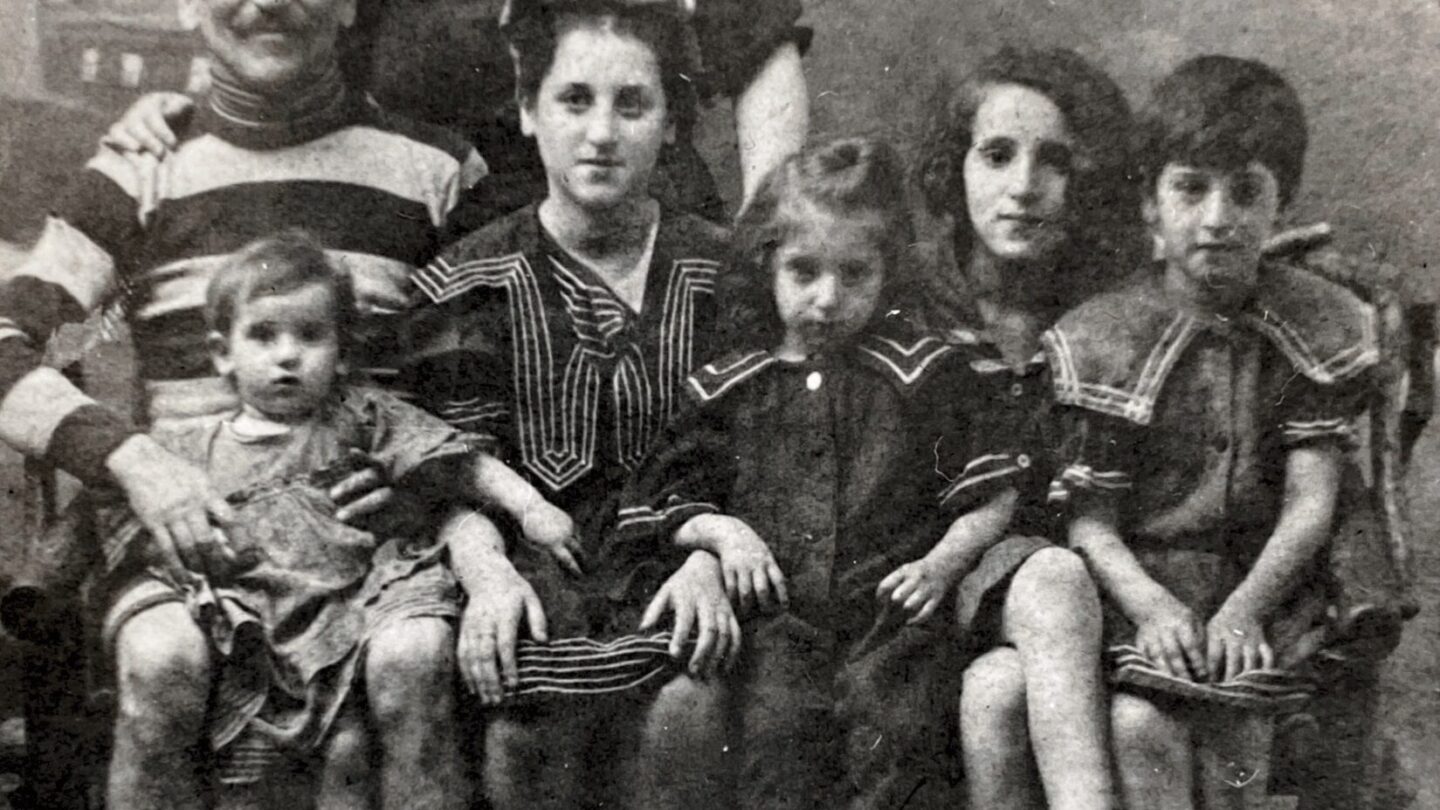
Leana McClellan never got a chance to meet her grandmother. But she knows the story of her grandmother’s abortion. It was 1925, and Elizabeth Apotheker Kannerstein had just married.
“Within the first three months of their marriage, she got pregnant,” says Leana McClellan. “And he was 23 and in law school, and couldn’t support them. So they decided that she should have an abortion.”
In 1925, that meant an illegal abortion. Lauren MacIvor Thompson teaches about the intersection of women’s rights, medicine and public health at Georgia’s Kennesaw State University. She says that a hundred years ago — like today — access to abortion was stratified by race, class and location. The quality of care was limited by what people could find, and what they could afford. Even information was hard to come by.
Read this story now for free
To continue reading, sign up for our newsletter and get unlimited access to WABE.org
You can select your preferences for news and local content. We will never share your email address. Learn how your newsletter sign-up will support WABE and Public Media