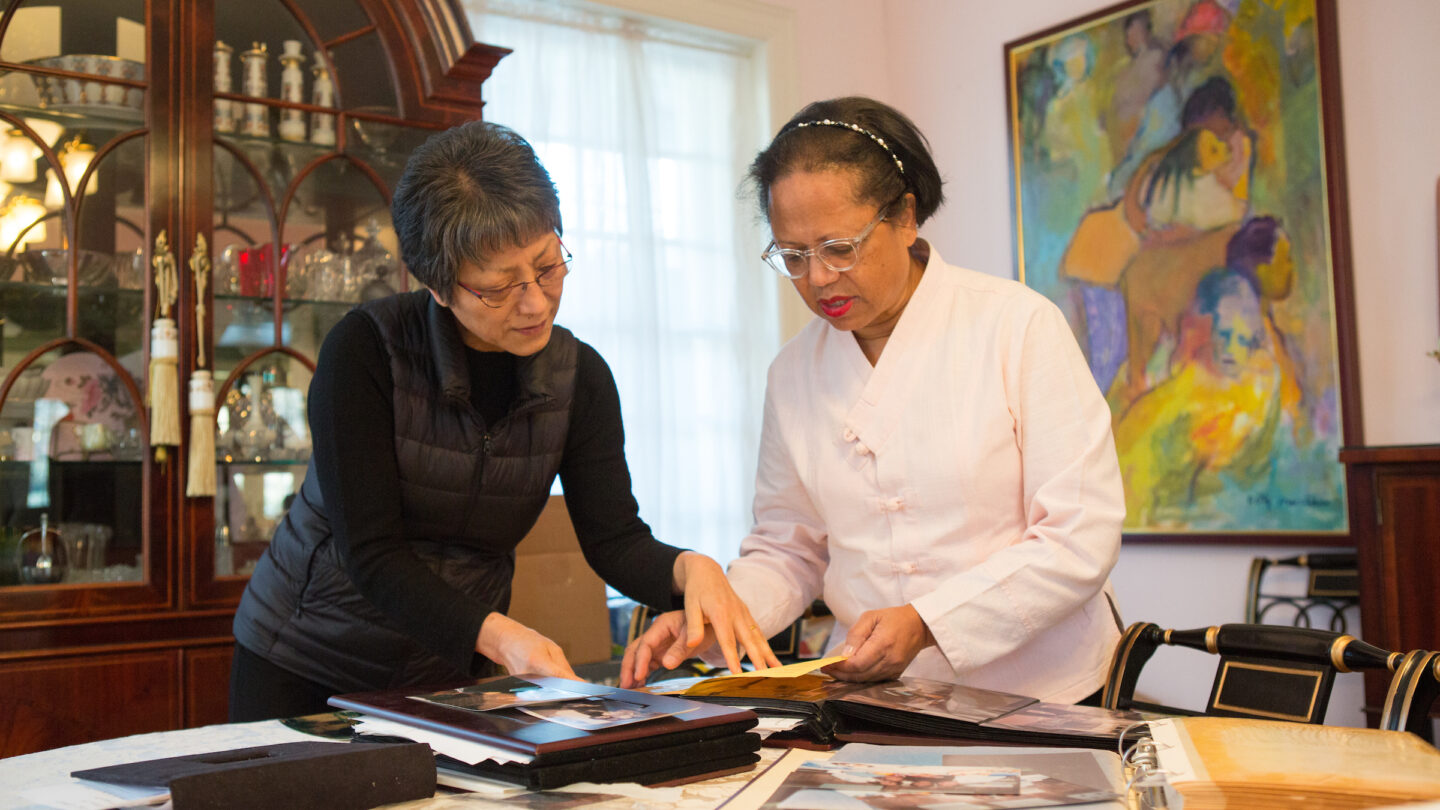
After the Korean War ended in 1953, more than 100,000 children were orphaned in North and South Korea, which led to an influx of overseas adoption throughout the next four decades. The film “Geographies of Kinship” tells how South Korea became known for its global adoption program and the impact on those adoptees. The director of “Geographies of Kinship,” Deanne Borshay Liem, joined “City Lights” host Lois Reitzes via Zoom to talk about the complex emotional and practical realities of life as a post-war Korean adoptee. In celebration of Asian-American and Pacific Islander Heritage Month, the documentary will air on World Channel.
Interview highlights:
The director’s own story as a Korean adoptee:
Read this story now for free
To continue reading, sign up for our newsletter and get unlimited access to WABE.org
You can select your preferences for news and local content. We will never share your email address. Learn how your newsletter sign-up will support WABE and Public Media