It’s interesting to consider how ideas about public education have evolved across the 17th, 18th, and 19th centuries. A form of public schooling in the United States can be traced to the Boston Latin School, founded in 1635, where instruction centered on religion and classical studies. Early Boston also passed laws in 1642 and 1647 requiring communities to provide public education so children could read religious texts.
By the 1800s, reformers such as Horace Mann were pushing for free, tax‑supported public education, leading to the creation of “common schools.” These schools were designed to serve a growing and increasingly diverse population.
Fast‑forward to the 21st century, and the United States is still grappling with core concepts, programs and initiatives needed to ensure all students have equitable access to K–12 public education. The challenge isn’t new, but debates over how to achieve equity remain highly contested.
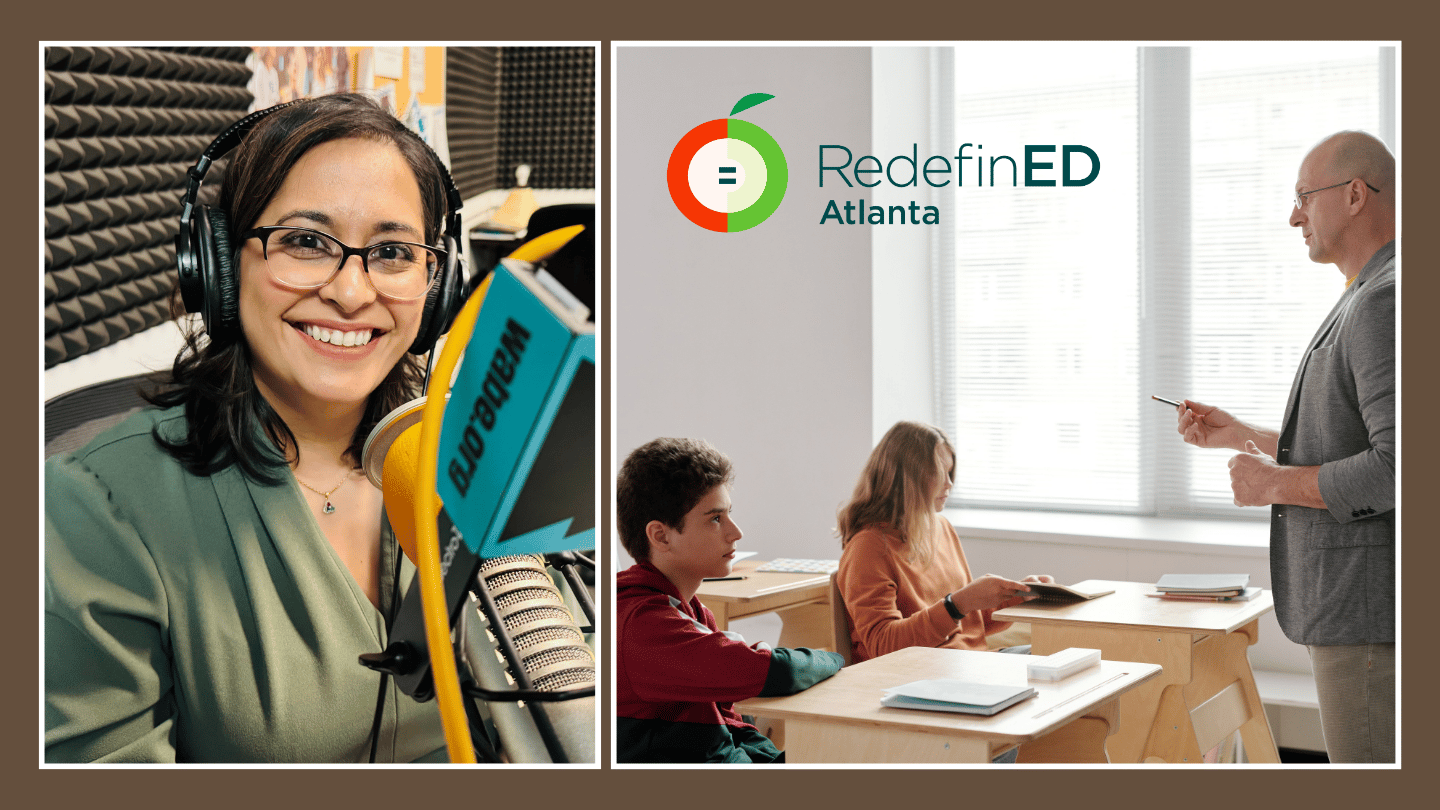
As the nation marks its 250th anniversary, Angira Sceusi is reflecting on the broader purpose of public education. “When I think about public education, I really think about this idea that public education represents an ideal and an opportunity,” she said. “What does it look like to create real opportunity for every student across our region, across our country? I wouldn’t say that’s where we are yet, but I think that is the desire for what public education can be.”
Sceusi is the executive director of RedefinED Atlanta, an Atlanta‑based nonprofit that has operated for a decade. She told “Closer Look” host Rose Scott that a key starting point in Georgia is revisiting the state’s long‑standing school‑funding formula, known as QBE. The Quality Basic Education Act, passed in 1985, established the framework for funding public K–12 education. According to the Georgia Department of Education, the QBE formula determines state funding based on factors such as student enrollment, instructional programs, teacher training and experience, and other cost variables.