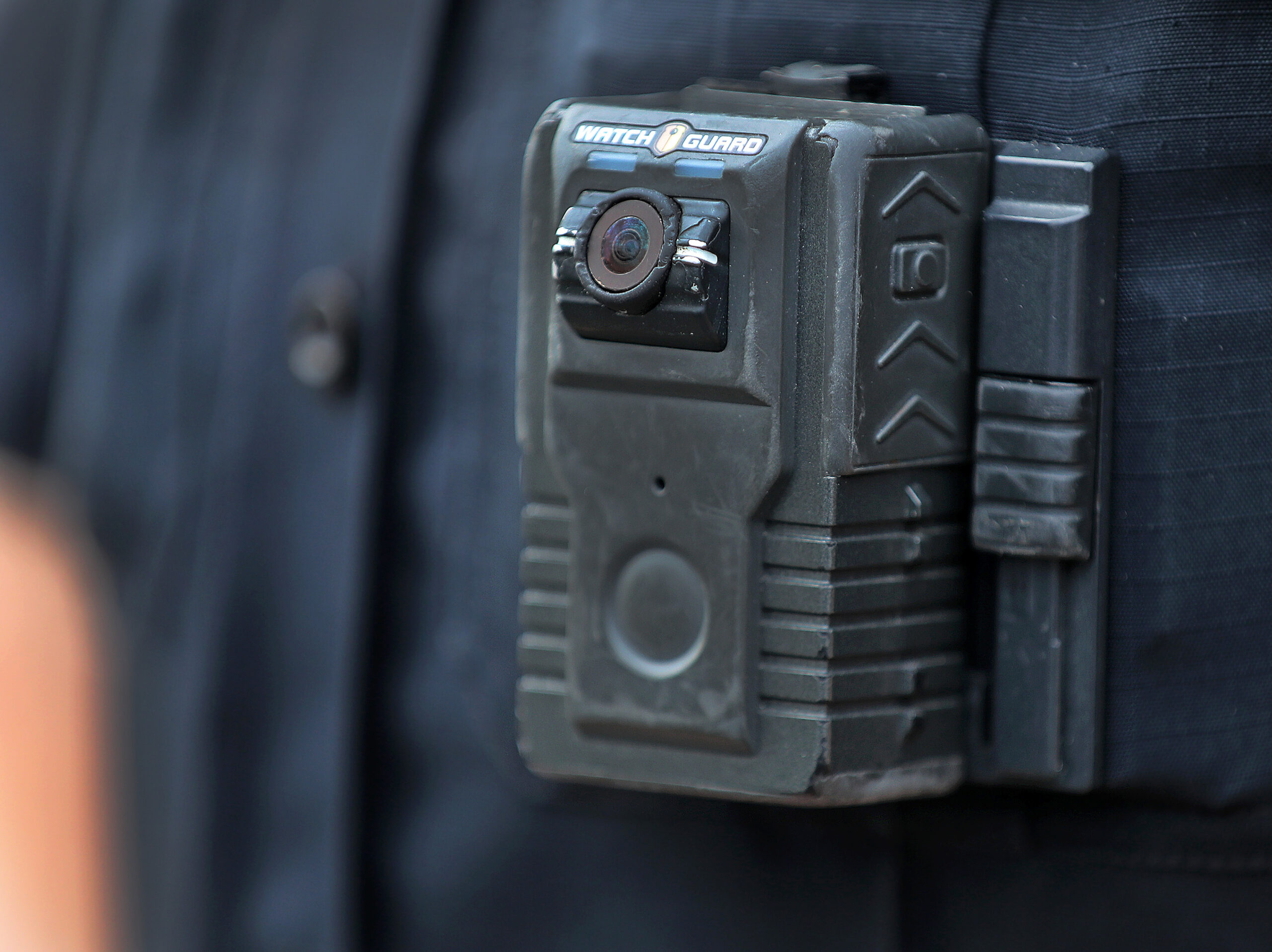
One of the most powerful examples of the significance of police body-worn cameras played out in a Minneapolis court room during the trial of Derek Chauvin, the former police officer convicted of murder and manslaughter in the killing of George Floyd. The video collected from the body worn cameras of the police officers involved in Floyd’s arrest showed his death from a variety of angles and prosecution and defense attorneys used the video extensively as they argued the case.
Across the country, police departments are increasingly using body-worn cameras to better monitor what officers are doing out in the field with the hope that they will reduce the prevalence of misconduct and improve fairness in policing. Still, there’s been a lot of uncertainty over whether the technology is actually helpful. In addition, local governments and police departments that have not integrated the technology as part of their policing practice often cite cost as a barrier.
Now, in one of the latest studies about the equipment, a team of public safety experts and world economists say body-worn cameras are both beneficial and cost effective. They outline their reasoning in a research paper released recently by the University of Chicago Crime Lab and the Council on Criminal Justice’s Task Force on Policing. The report is an update of a variety of studies of body-worn cameras and it also compares the cost of the technology to the dollar value of the benefits that may come as a result.
Read this story now for free
To continue reading, sign up for our newsletter and get unlimited access to WABE.org
You can select your preferences for news and local content. We will never share your email address. Learn how your newsletter sign-up will support WABE and Public Media