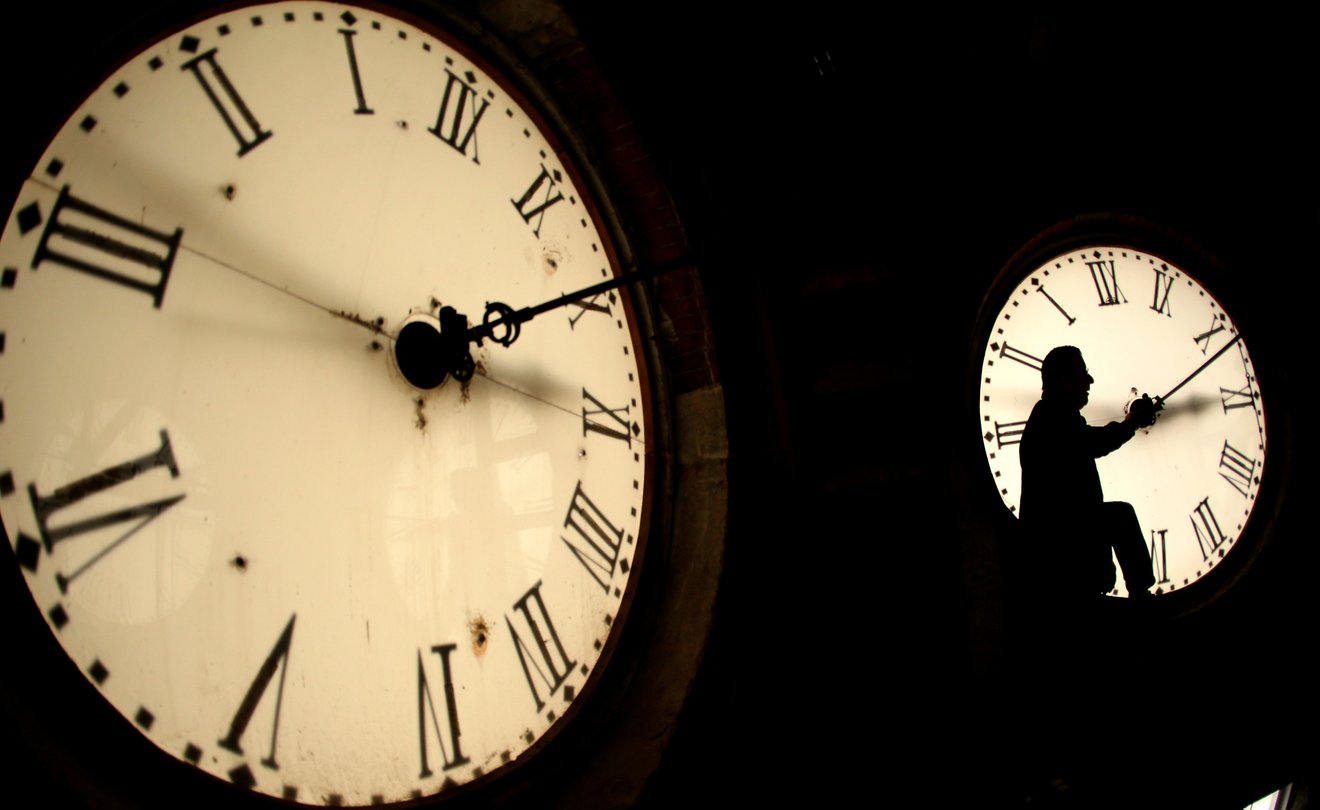
Clocks will skip ahead an hour at 2 a.m. Sunday for daylight saving time in most of the U.S., creating a 23-hour day that throws off sleep schedules, plunges early-morning dog walks into darkness and inspires millions of complaints.
Even though polls show most people dislike the system that has most Americans changing clocks twice a year, the political moves necessary to change the system haven’t succeeded because opinions on the issue and its potential impacts are sharply divided.
Want to make daylight saving time permanent? That would mean the sun rises around 9 a.m. in Detroit for a while during the winter. Prefer staying on standard time year round? That would mean the sun would be up at 4:11 a.m. in Seattle in June.
Read this story now for free
To continue reading, sign up for our newsletter and get unlimited access to WABE.org
You can select your preferences for news and local content. We will never share your email address. Learn how your newsletter sign-up will support WABE and Public Media