The EPA’s repeal of the “endangerment finding” could threaten automakers and oil companies — if it survives in court.
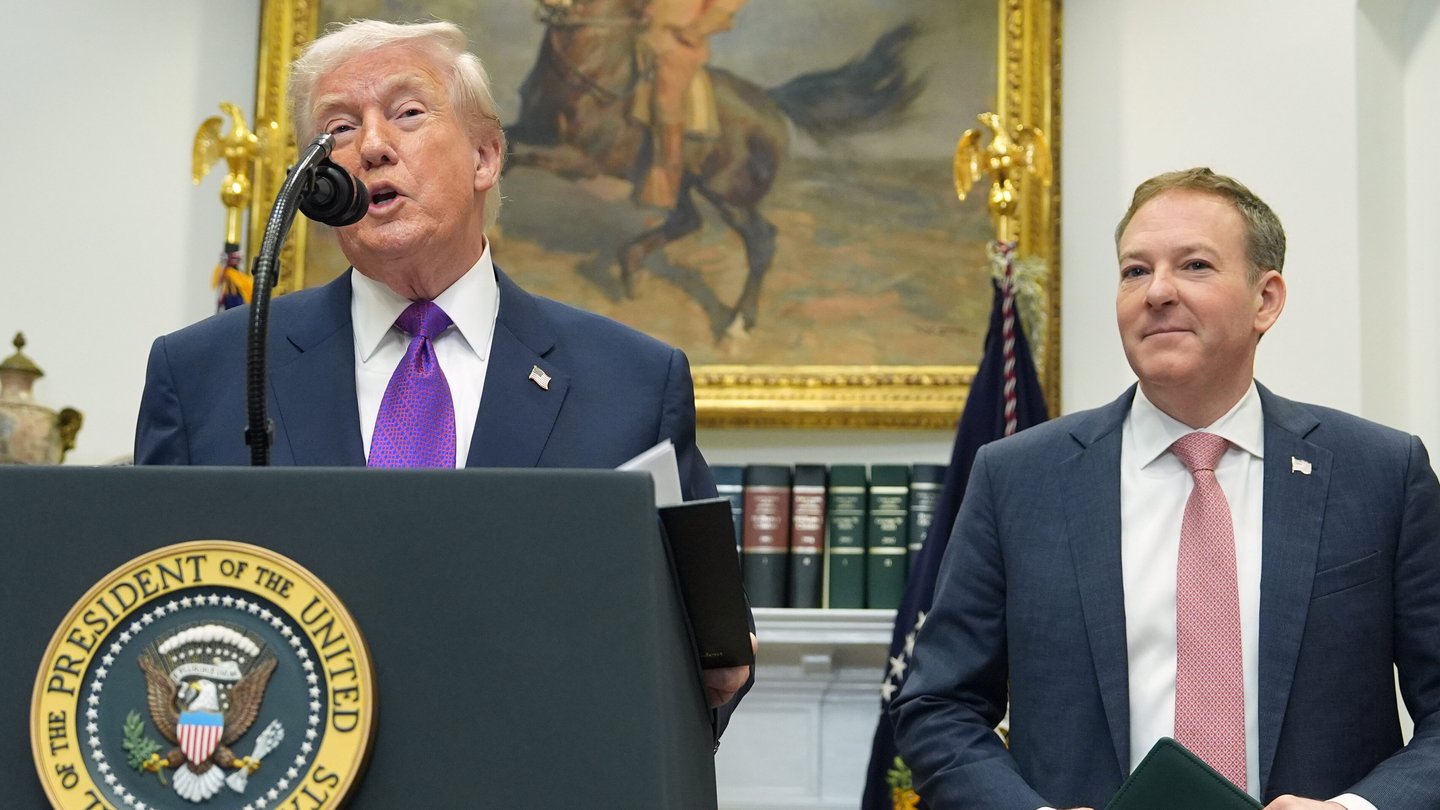
President Donald Trump’s approach to climate change rests on one key premise: Greenhouse gases are not that bad.
This is a simple argument — albeit one that flies in the face of the scientific consensus on climate change — but it could have profound consequences. If carbon dioxide and the other greenhouse gases spewed by cars and trucks are not particularly dangerous, the logic goes, then they can’t be considered air pollutants as defined by the Clean Air Act. That means that the Environmental Protection Agency can’t regulate them, and landmark federal rules that cracked down on vehicle tailpipe exhaust and improved fuel efficiency are invalid.
The Trump administration took a major step toward advancing this argument on Thursday. The EPA formalized its repeal of the so-called endangerment finding, a federal rule from 2009 that found greenhouse gas emissions can endanger “public health and welfare.” This finding provides the legal basis for almost every major climate regulation, from auto exhaust standards to caps on emissions from power plants. While the Trump administration has already initiated individual repeals of many of those rules, the latest move seeks to go much further by preventing future presidents from reestablishing any such regulations to combat climate change.
Read this story now for free
To continue reading, sign up for our newsletter and get unlimited access to WABE.org
You can select your preferences for news and local content. We will never share your email address. Learn how your newsletter sign-up will support WABE and Public Media