Congressional Republicans, looking for ways to offset their proposed tax cuts, are seeking to mandate that millions of Americans work in order to receive federally subsidized health insurance. The GOP tax and budget bill passed the House in May, and Senate Republicans are working feverishly to advance their draft of federal spending cuts in the coming days.
Georgia, the only state with a Medicaid work mandate, started experimenting with the requirement on July 1, 2023. As the Medicaid program’s two-year anniversary approaches, Georgia has enrolled just a fraction of those eligible, a result health policy researchers largely attribute to bureaucratic hurdles in the state’s work verification system. As of May 2025, approximately 7,500 of the nearly 250,000 eligible Georgians were enrolled, even though state statistics show 64% of that group is working.
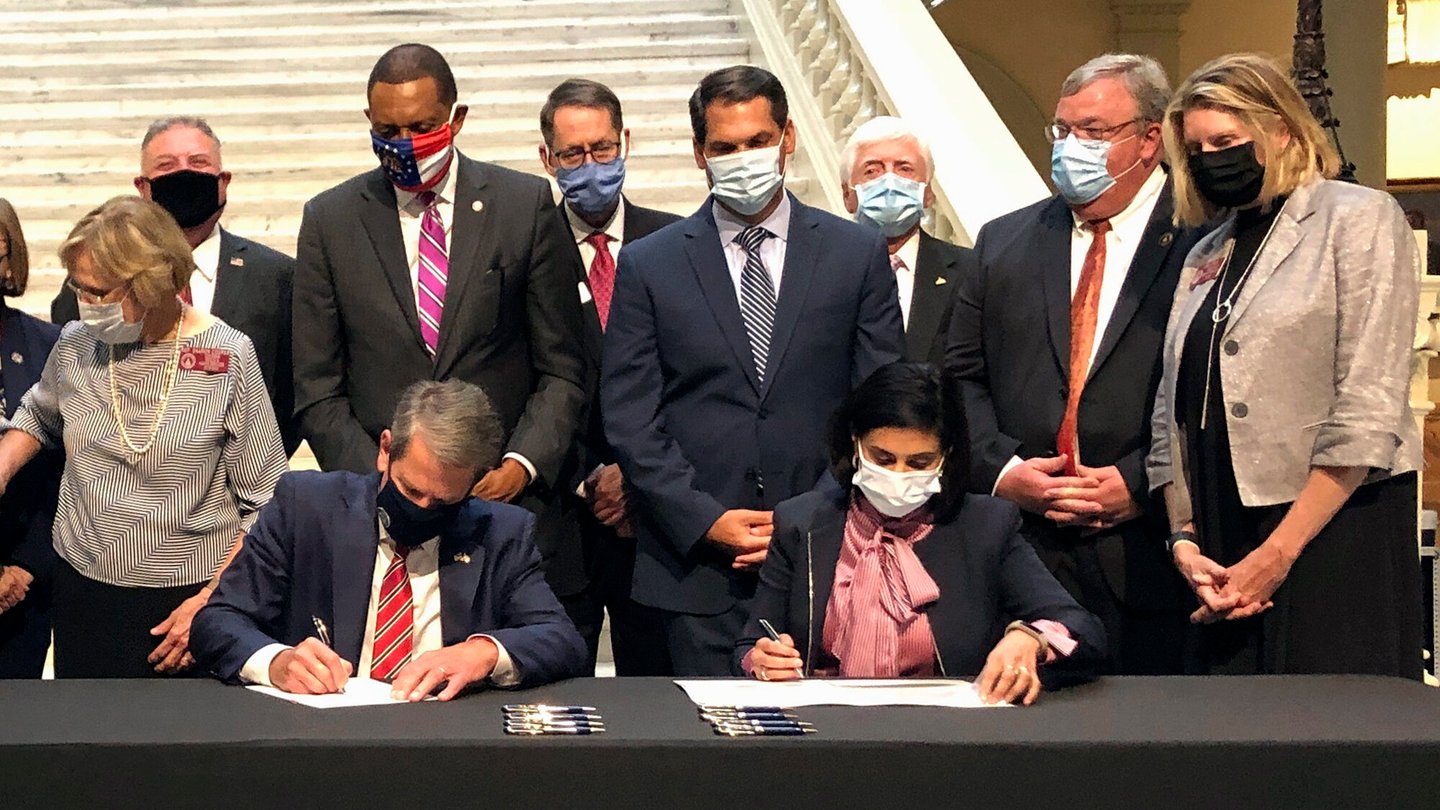
Gov. Brian Kemp has long advocated for Medicaid reform, arguing that the country should move away from government-run health care. His spokesperson also told The Current and ProPublica that the program, known as Georgia Pathways to Coverage, was never designed to maximize enrollment.
Health care analysts and former state Medicaid officials say Georgia’s experience shows that the congressional bill, if it becomes law, would cost taxpayers hundreds of millions of dollars in administrative costs as it is implemented while threatening health care for nearly 16 million people.
Read this story now for free
To continue reading, sign up for our newsletter and get unlimited access to WABE.org
You can select your preferences for news and local content. We will never share your email address. Learn how your newsletter sign-up will support WABE and Public Media