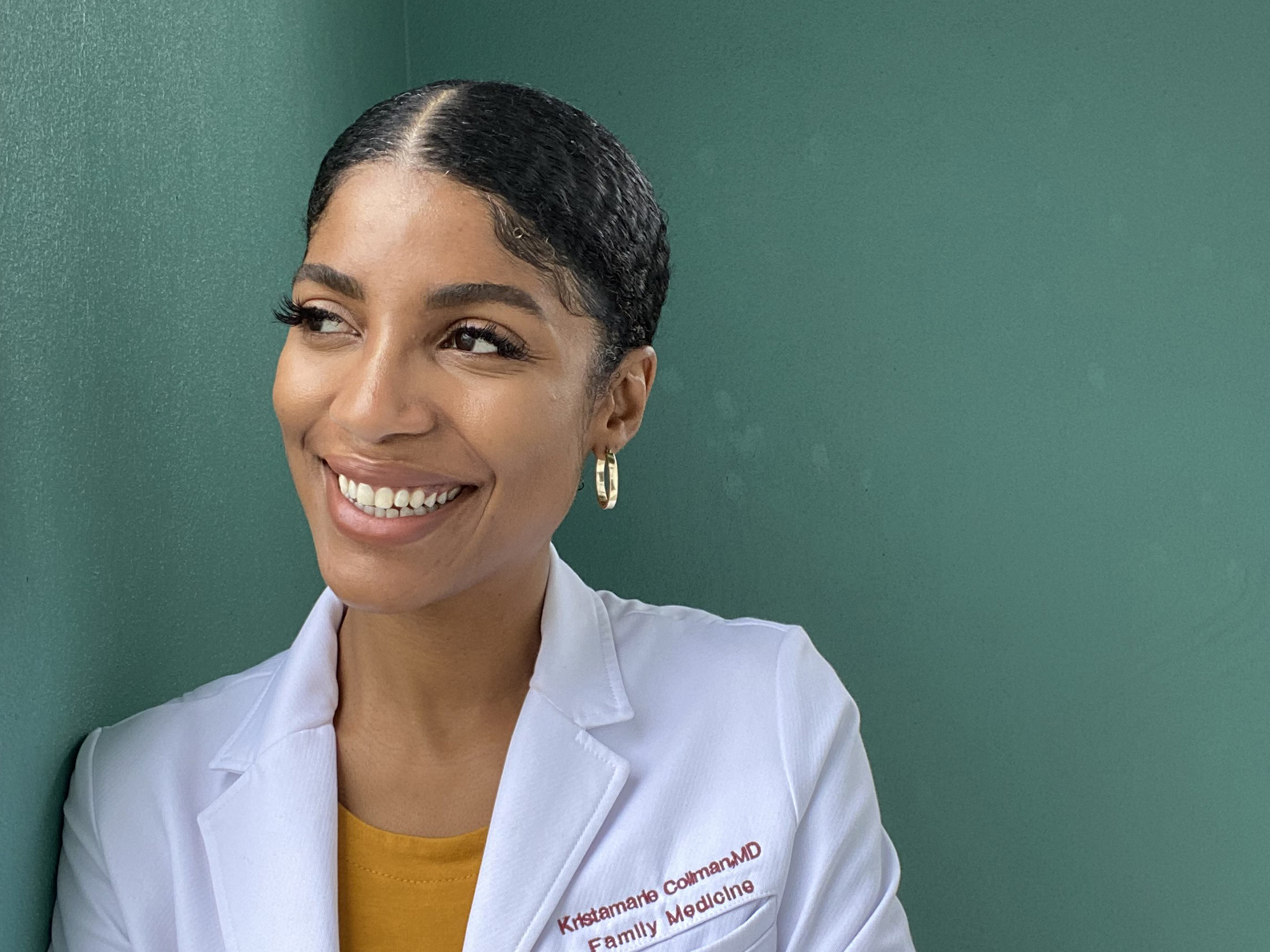
Black Americans have been catching the coronavirus, getting severely ill and dying from it, at a rate higher than other racial and ethnic groups in the U.S. Black Americans are also less likely to want to get the COVID-19 vaccine, according to polls. A survey from the Kaiser Family Foundation last month found that around 35% of Black adults are not planning to get COVID-19 vaccines.
So how can medical and public health leaders work to overcome this hesitancy? To start with, acknowledge the historical reasons for black mistrust of medicine, say researchers and Black physicians working to reach their own communities.
“In the Black community, there is skepticism that relates to historical experiences, and mistrust based on the discrimination that Black Americans face in the health care system and in the rest of society. It’s really well-founded,” says Dr. Lisa Cooper, director of the Johns Hopkins Center for Health Equity, and a former MacArthur “genius” fellow for her work in health disparities.
Read this story now for free
To continue reading, sign up for our newsletter and get unlimited access to WABE.org
You can select your preferences for news and local content. We will never share your email address. Learn how your newsletter sign-up will support WABE and Public Media