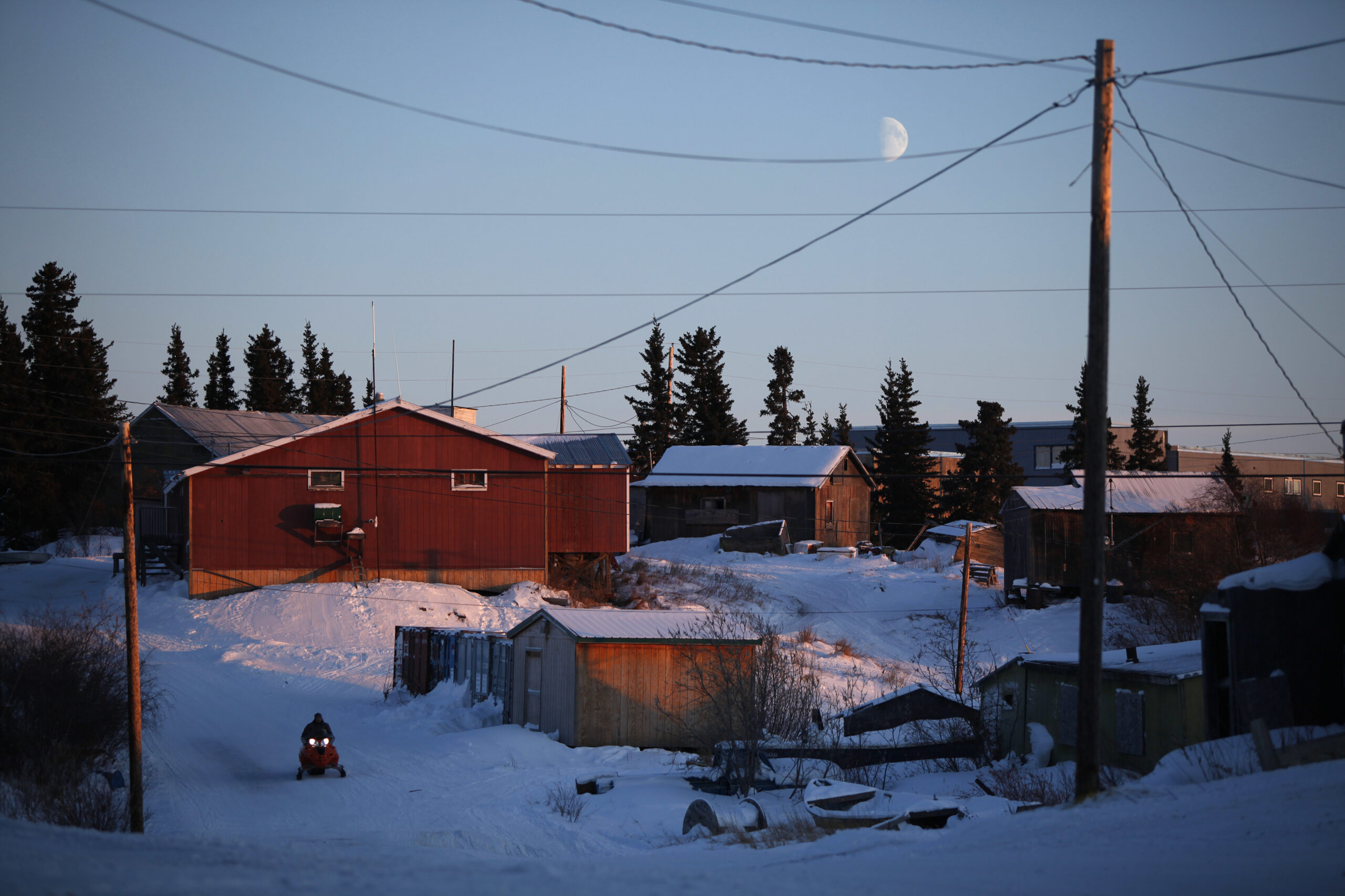
Ever since Alaska joined the union as the 49th state in 1959, the most remote parts of the most northern state have gotten a head start on the national head count.
The tradition is set to continue with the 2020 census, which is kicking off next Jan. 21 in southwest Alaska’s Toksook Bay. The small village on the Bering Sea has been selected as the first community to be counted for the census, the Census Bureau announced in October during the annual convention of the Alaska Federation of Natives in Anchorage.
“We look for villages that are off the road system as a place to start the census here in Alaska,” explains Carol Gore, a self-described “forever Alaskan of Aleut descent” who chairs the Census Bureau’s National Advisory Committee on Racial, Ethnic and Other Populations.
Read this story now for free
To continue reading, sign up for our newsletter and get unlimited access to WABE.org
You can select your preferences for news and local content. We will never share your email address. Learn how your newsletter sign-up will support WABE and Public Media