Spike Lee returns to Atlanta for ‘School Daze’ screening at the Fox Theatre

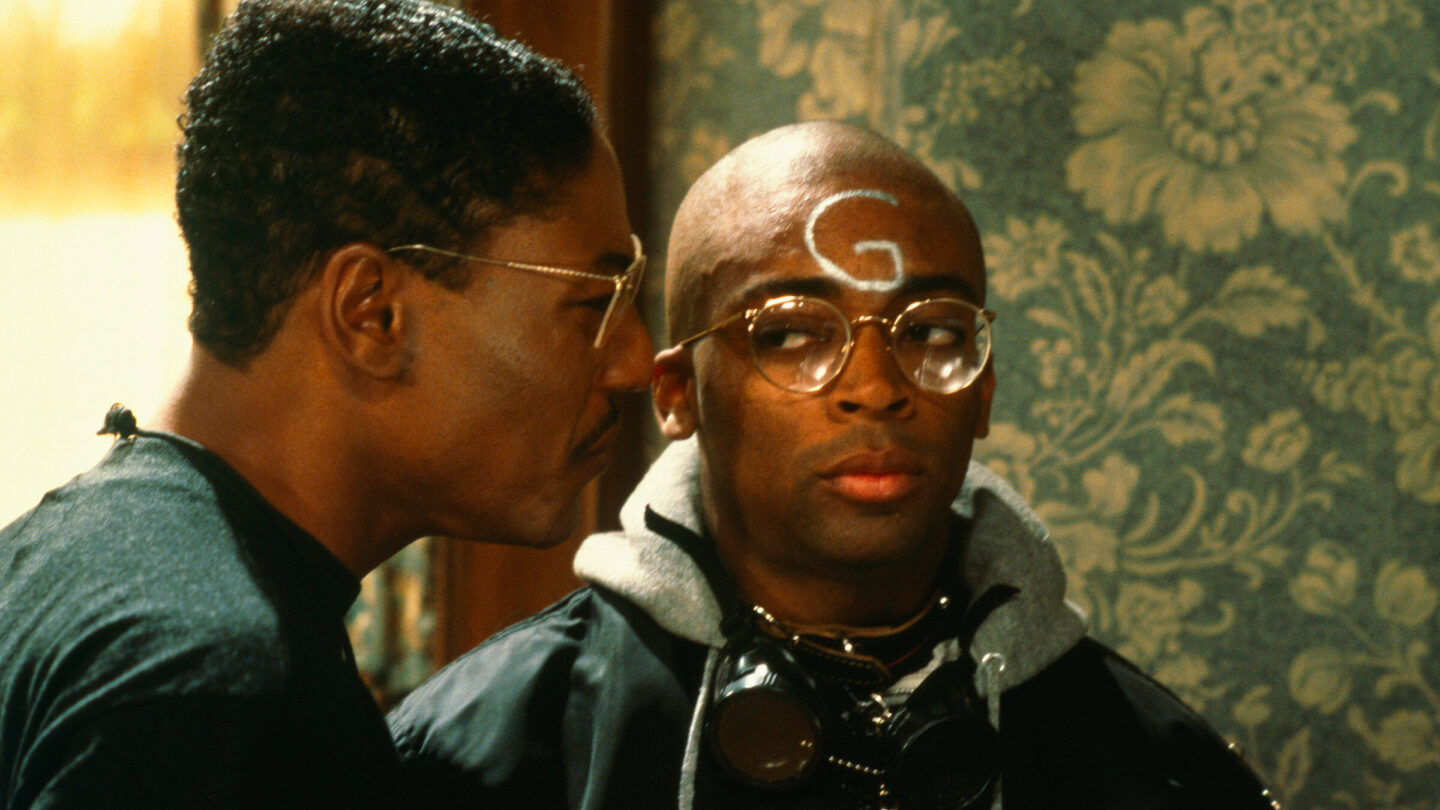
Scene from the Spike Lee 1988 film School Daze
A scene from “School Daze” (1988), Spike Lee’s satirical look at life inside a fictional historically Black college, filmed at Atlanta’s university campuses. (Courtesy of Forty Acres and a Mule Filmworks)

When “School Daze” premiered in 1988, it was controversial before most audiences ever saw it. Written and directed by Spike Lee, the satirical, music-driven film examines life at Mission College, a fictional historically Black campus, and sparked debate among HBCU leadership even before cameras rolled. 

Why ‘School Daze’ faced pushback before filming 
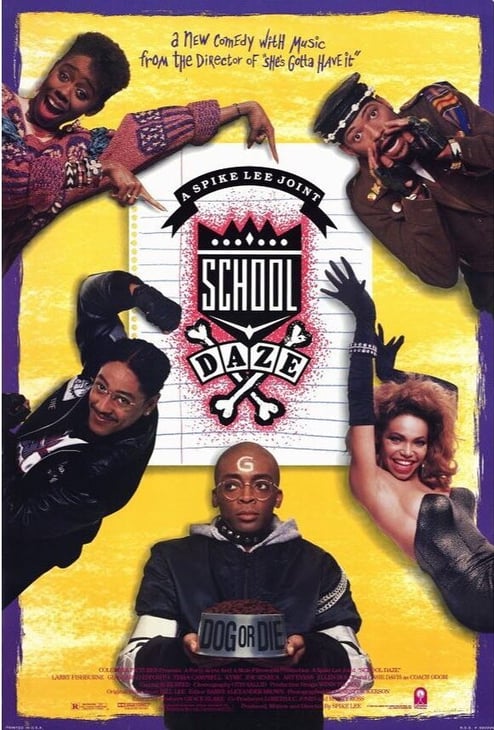
Original poster for Spike Lee’s 1988 film School Daze,
The original poster for School Daze, released in 1988 and directed by Spike Lee, whose screening at Atlanta’s Fox Theatre marks the filmmaker’s return to the city where the film was shot. (Courtesy of Forty Acres and a Mule Filmworks)

Some administrators objected to the film’s portrayal of campus politics, colorism and internal conflict, concerns that ultimately shaped where and how the movie was filmed. 

“It wasn’t a little bit,” Lee said of the reaction at the time. He pointed to Hugh Gloster, who was then president of Morehouse College. “He refused to let us shoot on campus. Also, Spelman said, ‘Hell no.’” 


Denied permission to film at his alma mater and at Spelman, Lee instead shot much of “School Daze” on the campus of what is now Clark Atlanta University, as well as at Morris Brown College. 

Colorism, casting and internal debate 

Lee said objections extended beyond location to casting decisions — including concerns rooted in colorism. 

“[They] objected to me casting Joe Seneca as the president of Mission College,” Lee said, adding that he was told Seneca was “too dark-skinned to be a president.” 

Lee said those concerns reflected a belief that airing internal tensions would damage Black institutions, a belief he rejected. 

A legacy rooted in Atlanta 

Instead, Lee points to what he sees as the film’s lasting impact: introducing historically Black colleges and universities to audiences who had never encountered them before. 

“So many people said they didn’t even know there were Black universities or colleges,” he said. “And they went to Howard … we could name them all … because of ‘School Daze.’ That’s the legacy of the film.” 

That legacy remains closely tied to Atlanta, where the film was made and where Lee’s own connection runs deep. Though he grew up in Brooklyn, Lee was born at Grady Memorial Hospital. 

“A lot of people know I was born in Grady Hospital,” he said. “I’m always glad to come back to my birthplace.” 

Lee will introduce “School Daze” Tuesday, Feb. 10, at Atlanta’s Fox Theatre.