This story was updated on Wednesday, Nov. 12, 2025, at 1:07 p.m.
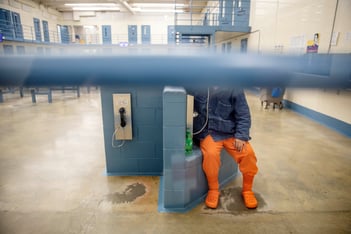
Immigration detention facilities in Georgia can hold one of the highest numbers of people in detention across the country. National data shows Georgia is often in the top 5 states for detained immigrant populations on any given day.
But for the thousands of people detained, access to legal representation is hard to come by. Immigrants are not guaranteed legal representation in immigration court because it is a civil, not a criminal issue. A private attorney costs thousands of dollars, and few of them live near Georgia’s rural immigration detention centers dotting the southern part of the state.
And as U.S. Immigration and Customs Enforcement detains more immigrants in Georgia, access to pro-bono legal services for immigrants has shrunk in the state.
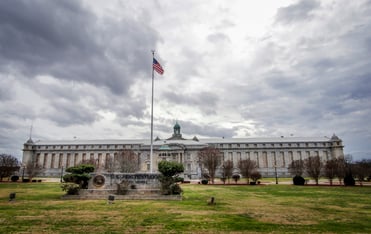
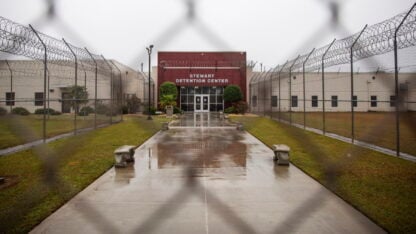
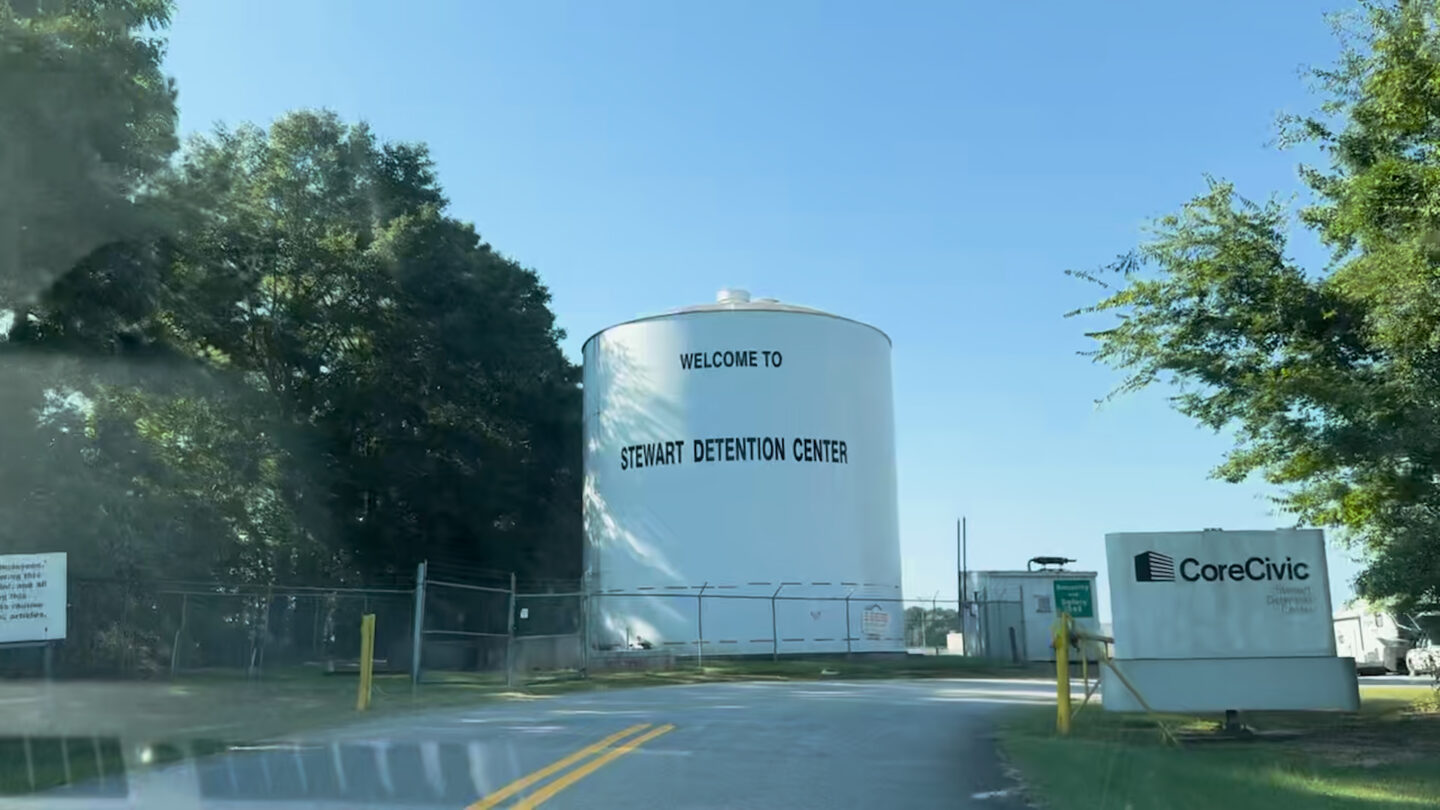
Last year, the Southern Poverty Law Center closed its office dedicated to providing free legal services to detained immigrants in the South. The Southeast Immigrant Freedom Initiative (SIFI) was based in the town of Lumpkin, Georgia, less than a mile from Stewart Detention Center, where nearly 2,000 immigrants on average are detained on any given day since the beginning of the second Trump administration.
The SPLC said it felt the scope of SIFI was too narrow and wanted to provide services that more than only detained immigrants could use.
“Before, I could be like, ‘Hey, there’s this nonprofit looking at these conditions issues or looking into access issues,’” said Matt Boles, an immigration attorney who used to work for SIFI and lived in Lumpkin with a handful of other SPLC attorneys.
Now, no pro-bono immigration attorney lives in Lumpkin.
At a time when more people need representation, Boles said, there are fewer resources available for those in detention at Stewart or facing a judge at Stewart’s immigration court.
“The government’s always represented,” he said. “They’re going to have an attorney on their side being able to make really complicated arguments.”
He’s now an immigration attorney with Manji Law firm in Columbus, Georgia, about 45 minutes away from the detention center.
“The government’s always represented. They’re going to have an attorney on their side being able to make really complicated arguments.”
Matt Boles, immigration attorney
He said many immigrants are navigating the immigration court system alone, with court-appointed translators. They don’t have the resources to learn immigration law on their own.
“If I’m from another country or don’t speak English well, I mean, you might as well tell me to go to the moon,” Boles said.
Studies from the nonprofit American Immigration Council show when detained immigrants have attorneys in court, they are twice as likely as unrepresented immigrants to obtain immigration relief.
Basic immigration cases require dozens of hours of work, and distance becomes an obstacle.
“The average, uncomplicated asylum case where you have a client who you know doesn’t need an interpreter and is not particularly traumatized, is estimated to take about 50 to 75 hours,” said Adriana Heffley, the director of legal services at the Georgia Asylum and Immigration Network (GAIN).

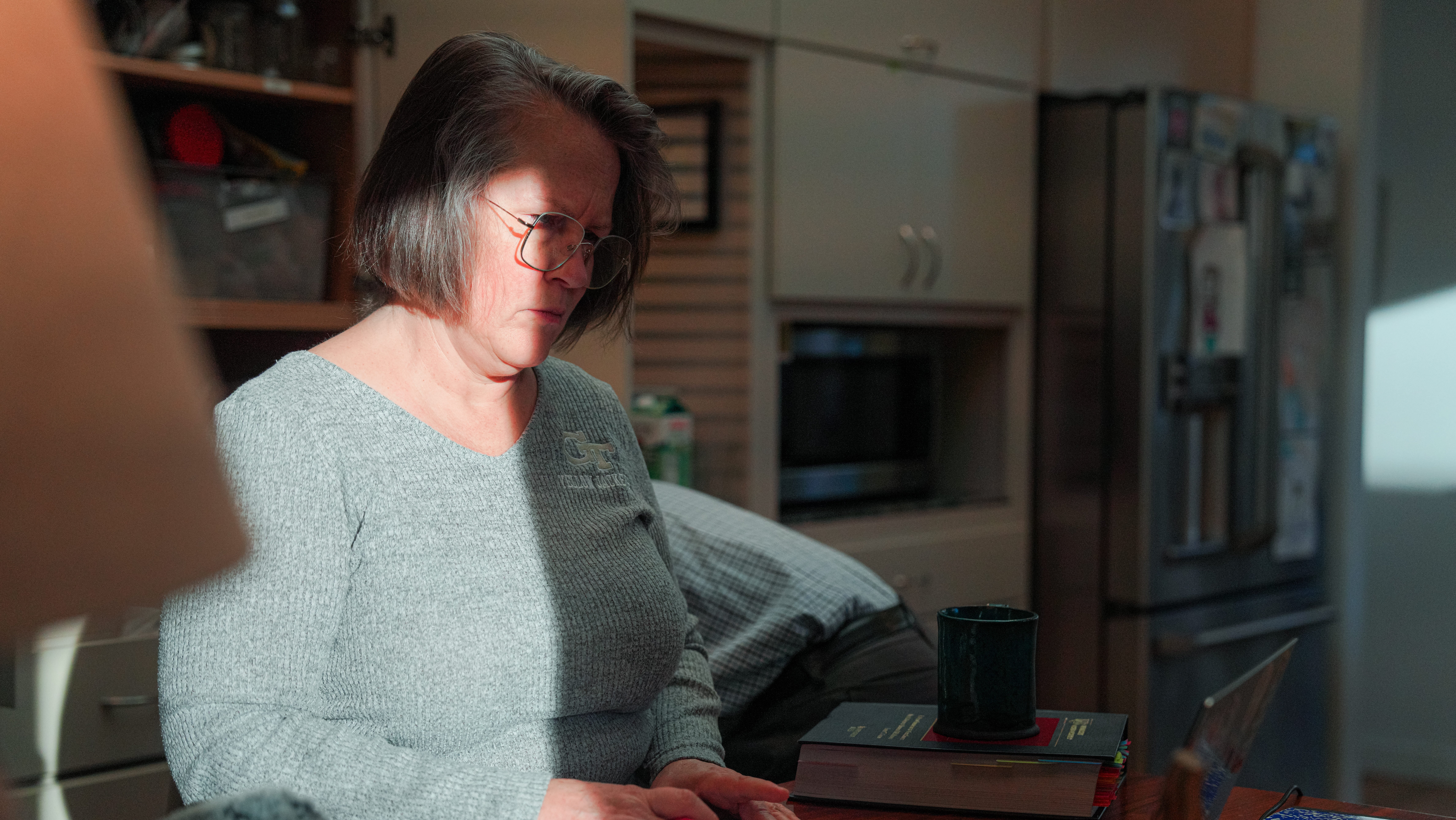
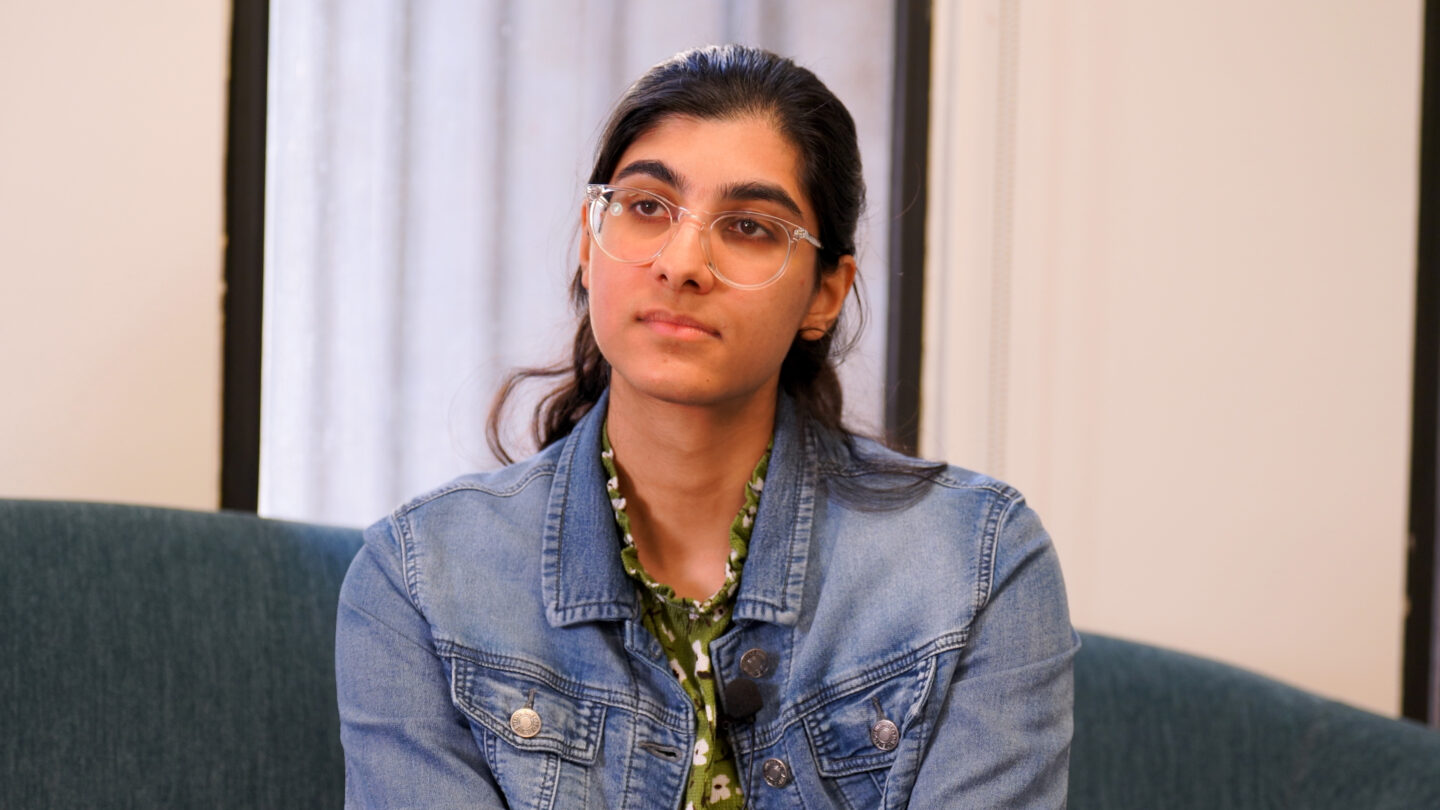
GAIN is an Atlanta-based nonprofit filling in those gaps in legal representation. Alizeh Sheikh is an Equal Justice Works Fellow there and is one of a handful of attorneys in the entire state whose sole job is to provide free legal services to detained immigrants.
Even though she can call her clients in detention, she drives the two and a half hours southwest to Lumpkin as often as is cost effective.
“There was a certain point where I could only get one or two meetings a week for an hour with a client, which was just not sufficient to be able to prepare everything to the standard that I believed was appropriate,” she said. “The only way for me to get the actual time with the client that I believed I needed was to go down to Stewart and just sit with them for several hours.”
Attorney Samantha Hamilton with Asian Americans Advancing Justice Atlanta said she will visit her clients in detention because the social interaction is important for the mental health of those detained.
“It’s good to really lay my peepers on her and read her body language and be like, ‘How are you doing, really?’” Hamilton said after visiting Alma Bowman, one of her pro-bono clients.
Bowman was born in the Philippines and raised in the U.S. Her dad was a U.S. citizen and member of the military. Hamilton said the laws when Bowman was born made her a citizen, but the U.S. government does not recognize her citizenship. Bowman found this out after getting jailed for writing bad checks in 2013 and pleading guilty to possession of a firearm by a convicted felon and possession of methamphetamine.
She ended up in ICE custody in 2017 after a traffic stop in Fulton County, Hamilton said.
Bowman was detained then at Irwin County Detention Center in Ocilla, Georgia, where she helped expose alleged medical abuse against immigrant women.
She was released from ICE detention in 2020, then detained again during a regular immigration check in earlier this year in Atlanta.
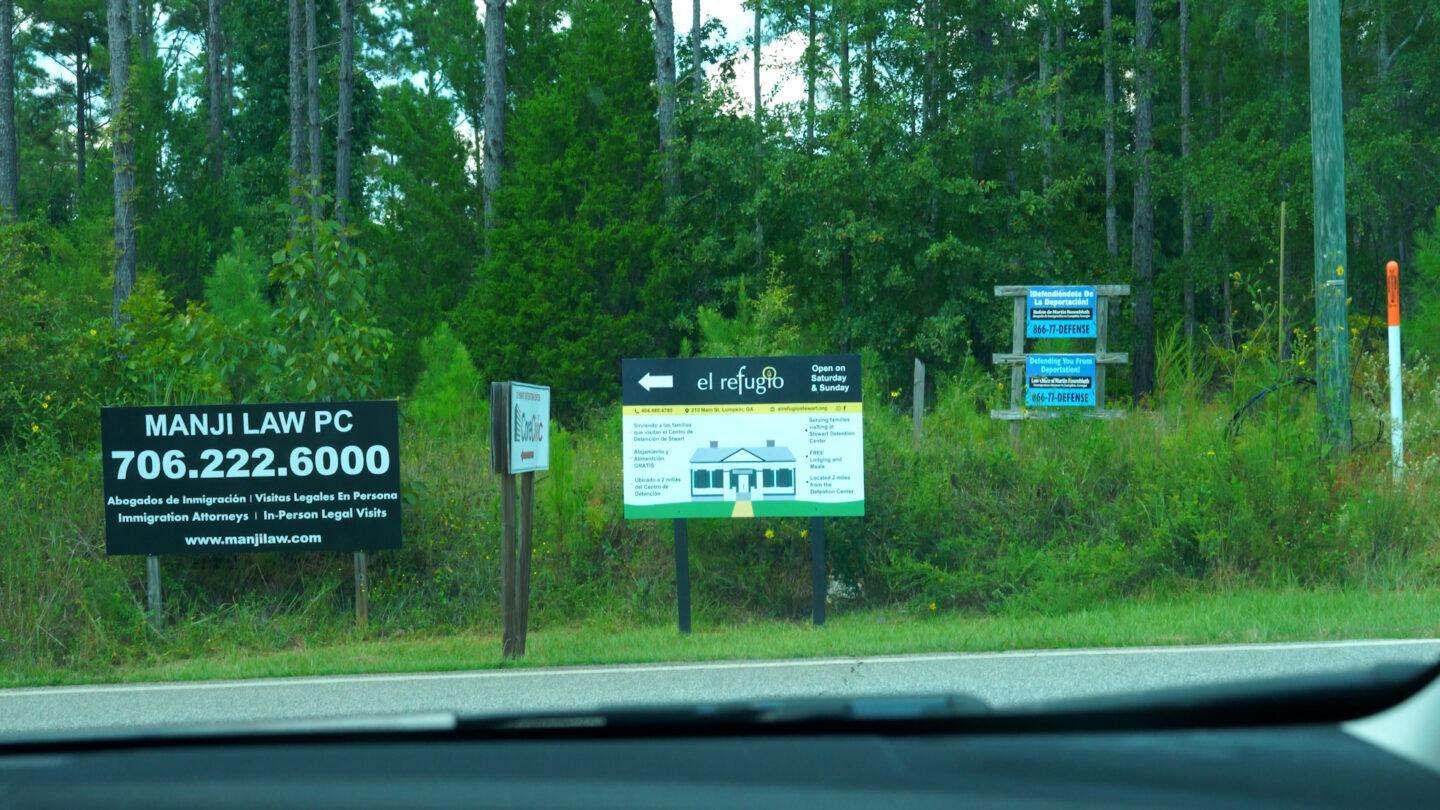
Hamilton and Bowman caught up about books Bowman was reading, people in detention and how Bowman’s family was doing. Bowman told her some women were sleeping on the floor because the dorms were overcrowded.
A spokesman for CoreCivic denied people were sleeping on the floor.
Hamilton said these in-person visits are crucial because the human connection can help keep her clients spirits up, and visibility at the detention centers could help another immigrant get legal aid.
“I think it’s important to splash some cold water in your face,” Hamilton said after the visit. “Allow yourself to be surprised and remind yourself that this is not normal.”
Correction: A previous version of this article incorrectly stated the name of the Southeast Immigrant Freedom Initiative. It has been corrected.
This is part one of the WABE News series “Detained in Georgia,” where we look at one of the largest immigration detention centers in the U.S. to better understand how it affects the community — and the people detained there.