Every weekend, volunteers from around Georgia drive to a historic house in what’s left of Lumpkin, a shrinking town two and a half hours southwest of Atlanta.
They run a hospitality house called El Refugio, the refuge. It’s where people visiting immigrants detained nearby at Stewart Detention Center can stay. They’re among a group of volunteers and advocates across Georgia who try to fill in the gaps of a lack of resources and amenities in rural communities where immigration detention centers are in the state.
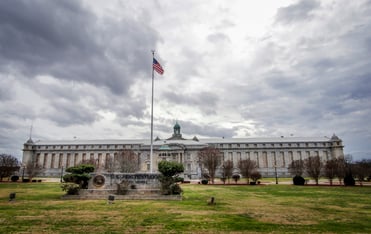
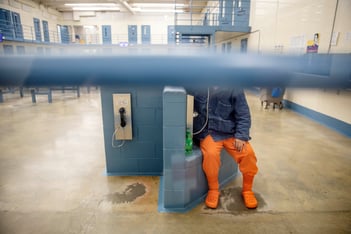
On any given day since President Donald Trump’s second term started, there have been about 2,000 people detained at Stewart Detention Center. It’s on the outskirts of Lumpkin, and the detention center has twice the population of the town itself.
Lumpkin has no hotels, no motels and no short-term rentals. The closest places to stay are nearly an hour away.
“Our goal is to make it as comfortable as possible,” said Almicar Valencia, El Refugio’s executive director.
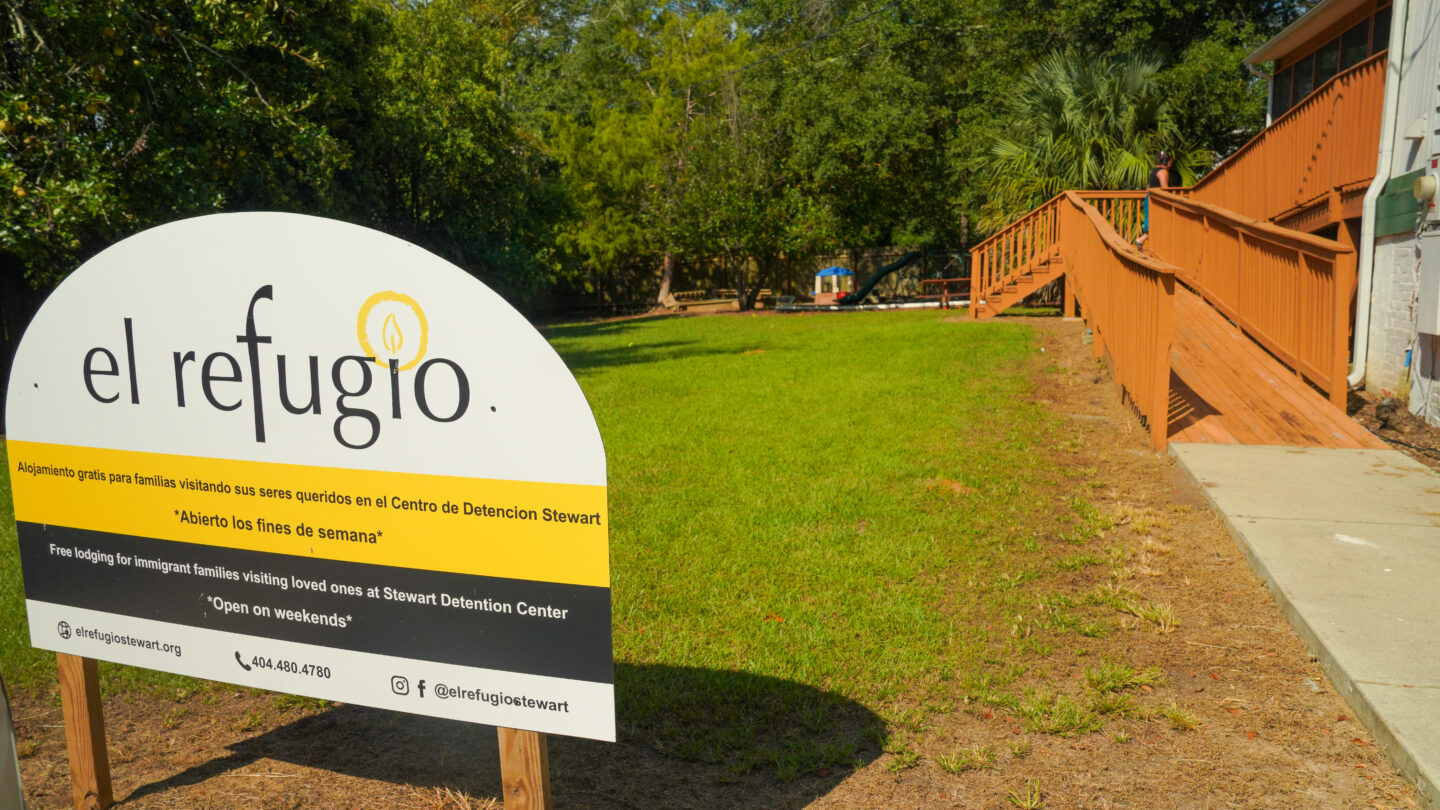
The organization started in 2010 with protests against the detention center and visits to people who were detained. During those visits, volunteers heard a resounding need from families traveling to the rural Georgia town.
“They told us, ‘I drove from North Carolina, Texas, California. There is no accommodation here for anyone to stay,’” Valencia said. “Some families told us, ‘I just live in my car in the parking lot of the gas station.’”
The house filled with bright light in the early morning as people streamed through the kitchen, passed a dining table that could seat several dozen people, and into smaller anterooms for quieter spaces with comfortable couches, toys and books.
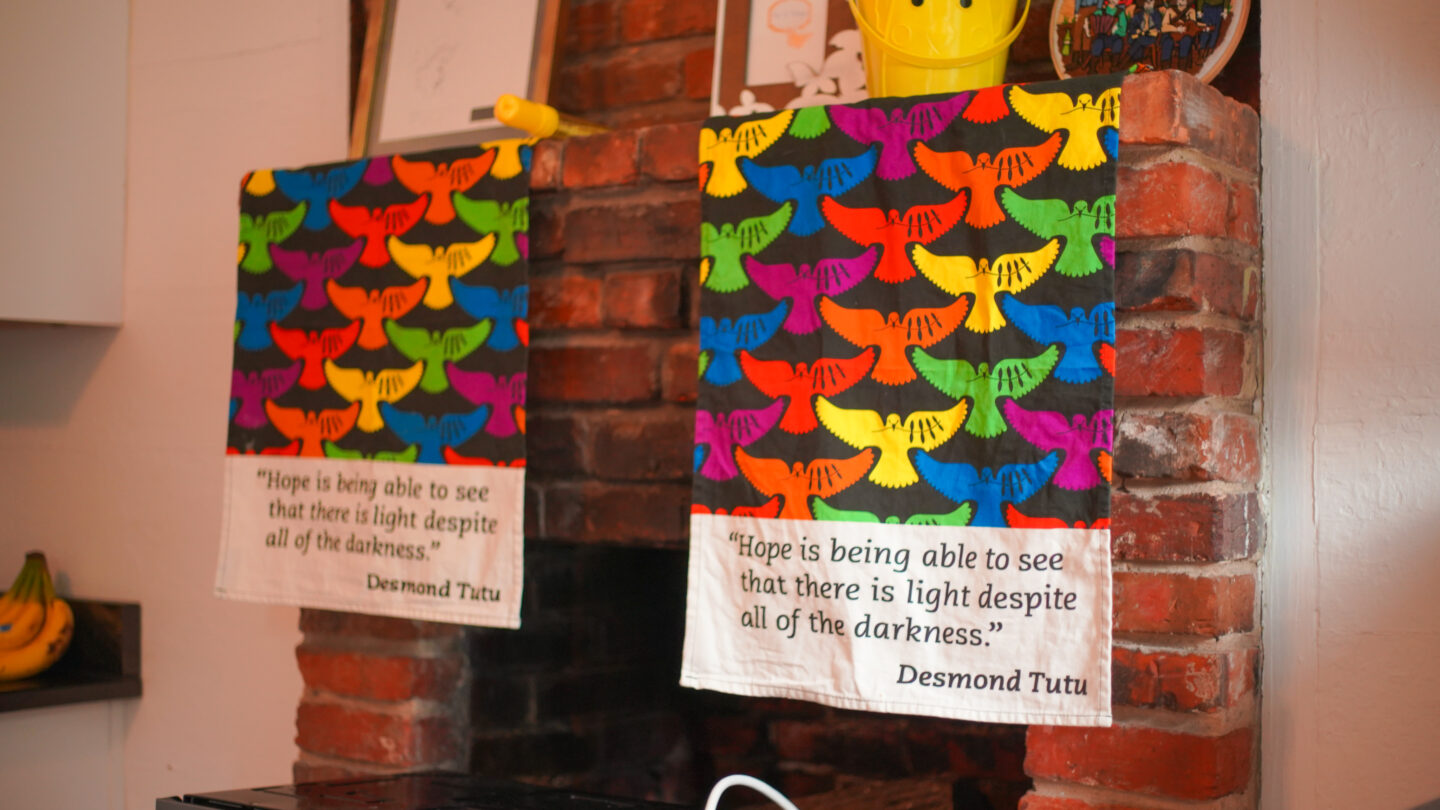
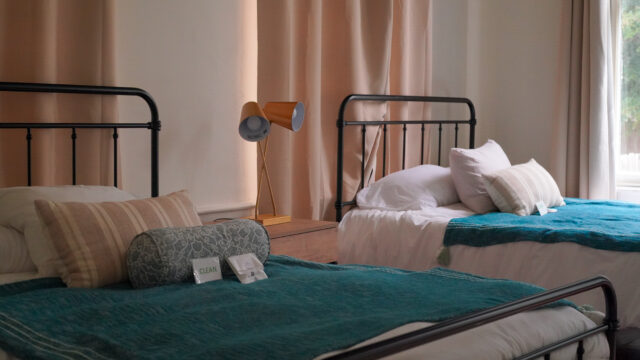
“It’s about 20 people that we can house overnight. We don’t have 20 people every weekend, sometimes it’s just a few,” he said.
Some people stop in only for a few minutes and grab a bite to eat while waiting for their visitation time. Stewart’s lobby has only about a dozen chairs, and everyone passes through the same entrance. It’s busy.
El Refugio is just a few minutes away and spacious, quiet. This particular Saturday, Valencia made quesadillas with a creamy Chihuahuan cheese for families waiting at the house.
Two volunteers returned from visiting women in detention. They filled out forms documenting what they heard about the conditions of the facility.
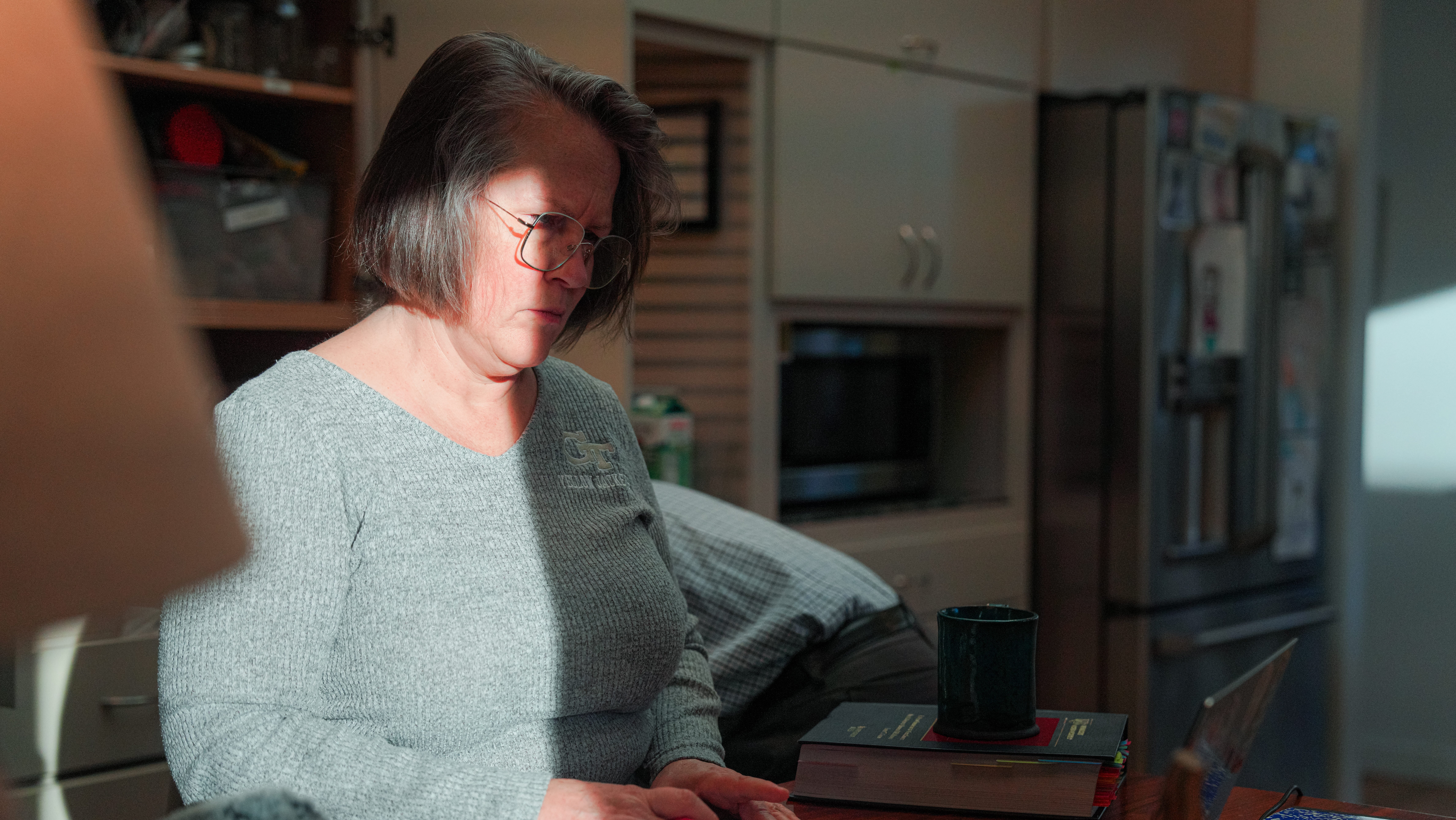
K.L. is a volunteer from Athens who is remaining anonymous out of privacy concerns. She said being in-person at the detention center is crucial because it helps immigrants know they are not alone, and she can help families figure out rules that feel like they are in constant flux.
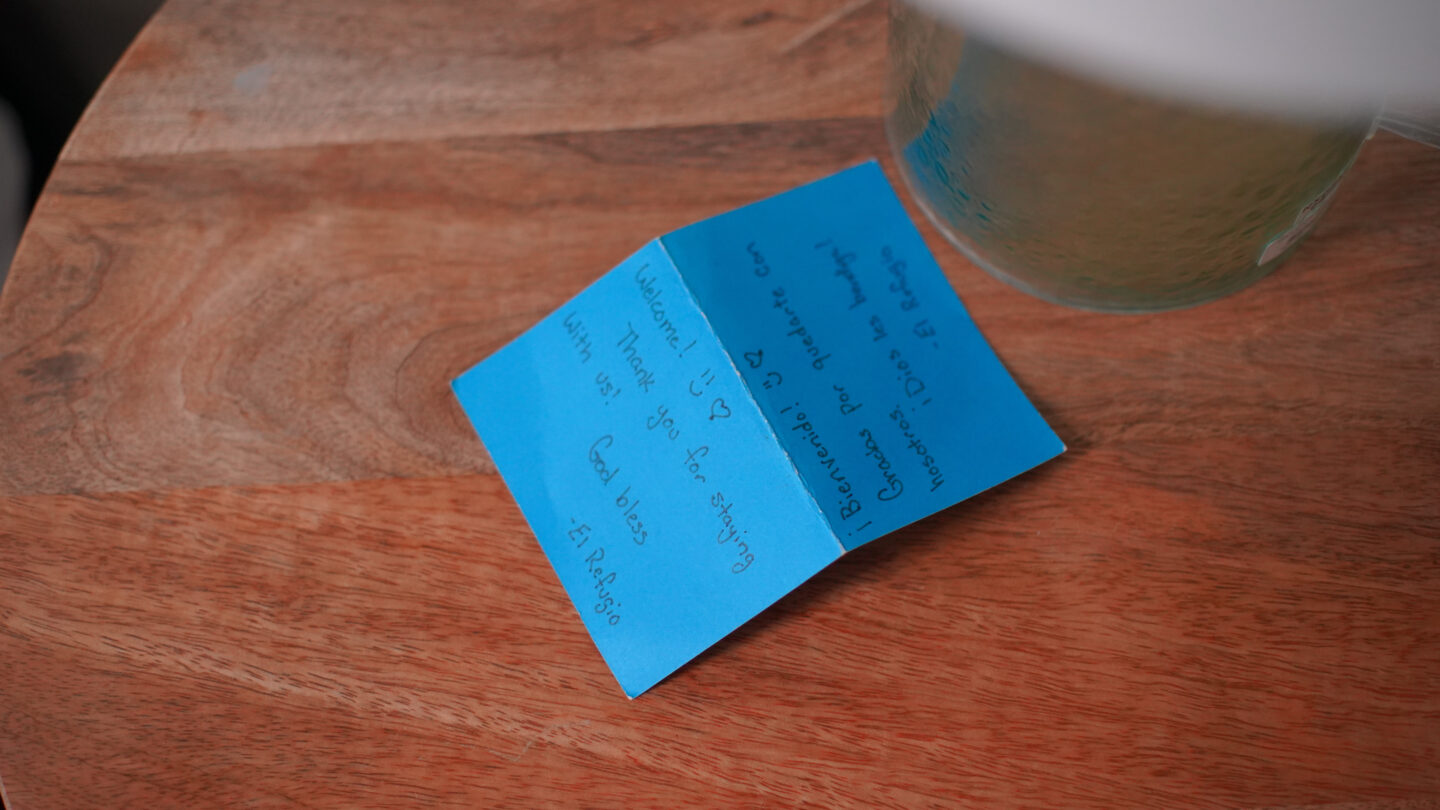
Earlier in the morning, she helped a man who tried to drop a backpack of clean clothes off to his brother who was being deported to Mexico.
“It used to be that you just show up with the bag,” she said. “People already know what could be included because the loved one told them.”
The man was told he had to mail the backpack instead. K.L. said guidelines around in-person plans like dropping off deportation backpacks seem to change every time there’s a new warden.
CoreCivic, the private prison company that runs Stewart, said in a statement deportation luggage guidelines were updated this year and were approved by U.S. Immigration and Customs Enforcement, but did not comment on how often the rules change.
Around 40 people regularly volunteer for El Refugio, and they aren’t the only ones navigating how to help those at Stewart.
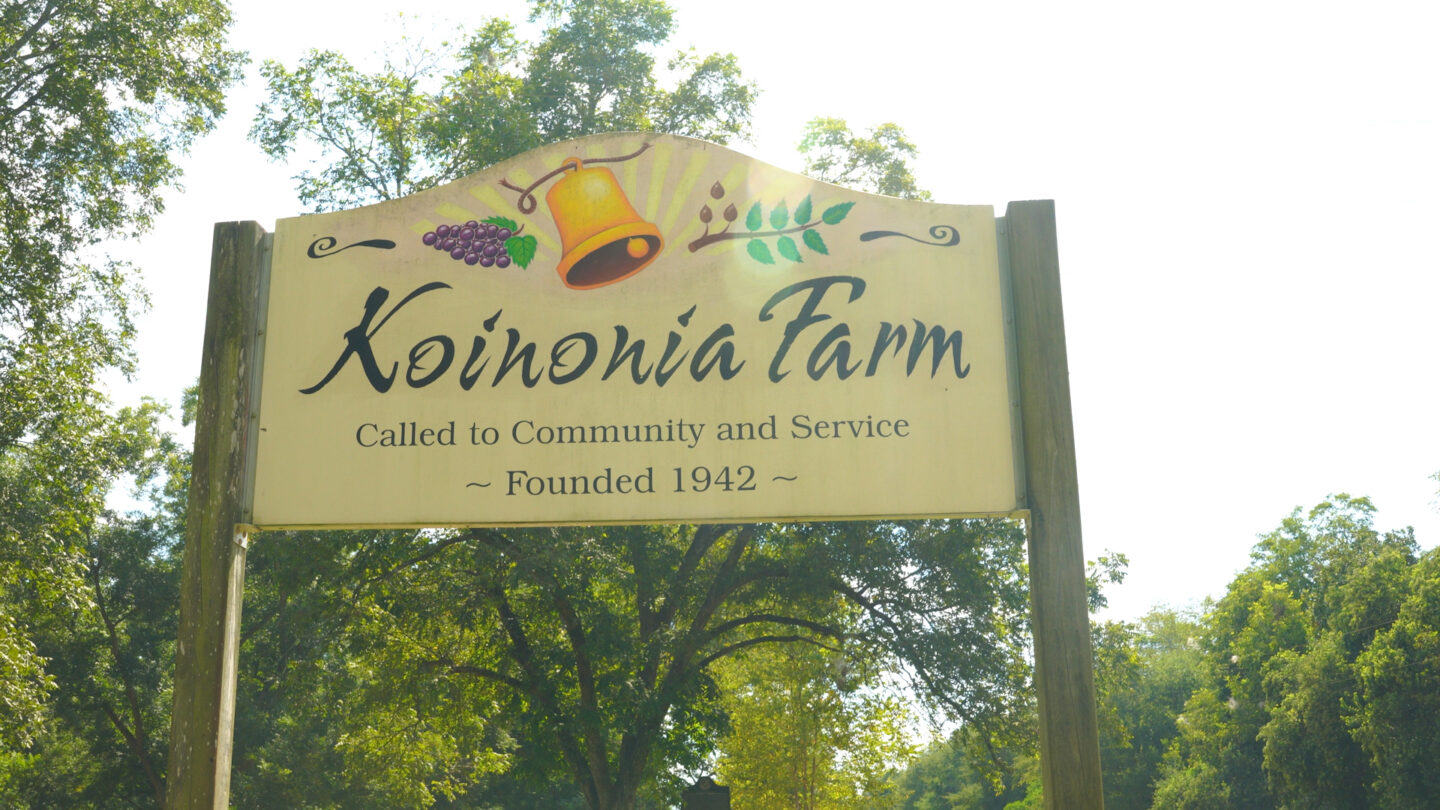
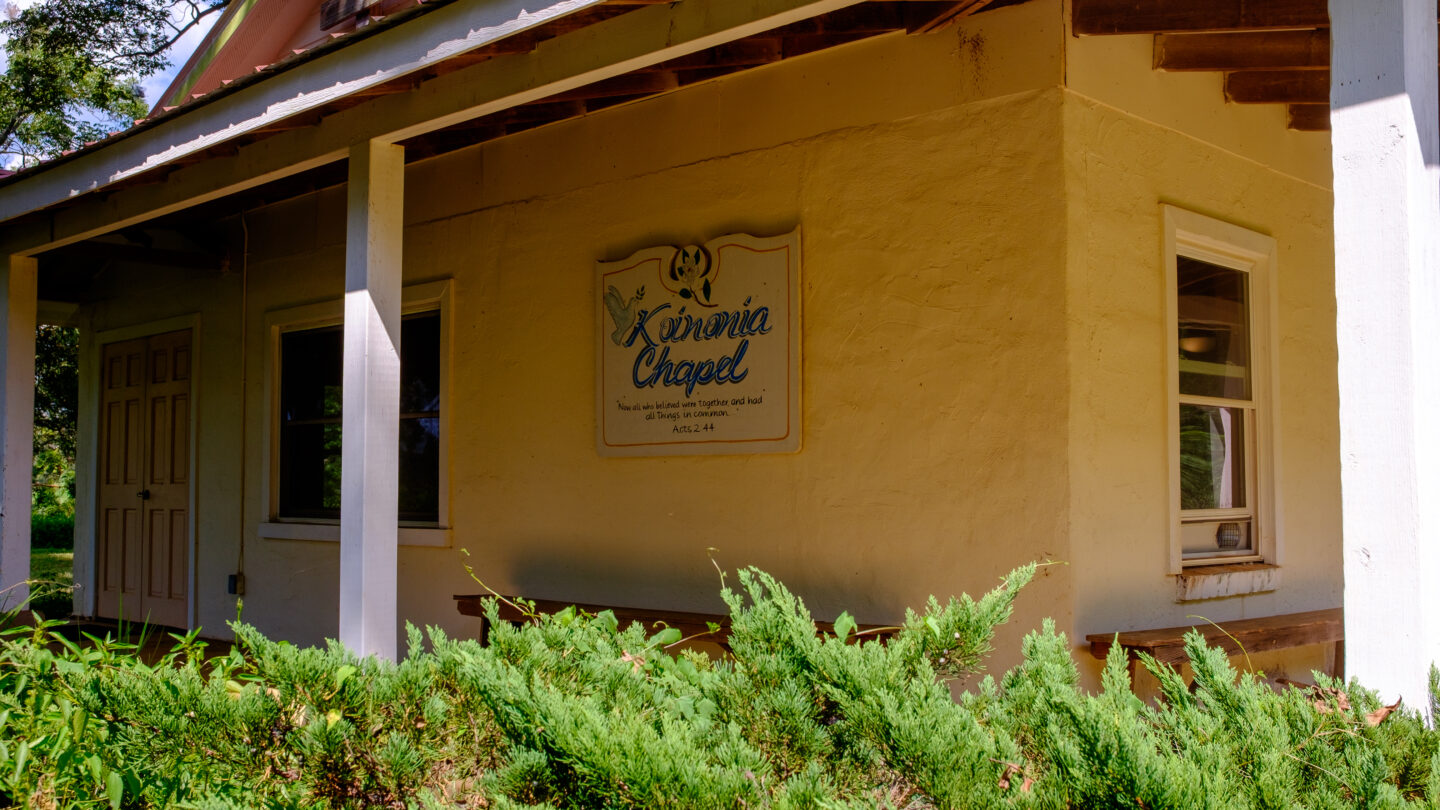
Nestled in a mature Elliott Pecan grove an hour away from Stewart Detention Center is Koinonia Farm. Koinonia is an intentional Christian community that was established in 1942 by Clarence and Florence Jordan as a place of racial reconciliation in the Jim Crow South.
“We were threatened by the KKK right away,” said Elizabeth Dede, a member of the community and the minister.
“We were bombed and shot at and fires were set, trees cut down, animals let loose. Children playing on the volleyball court out there were shot at, beat up in school, beat up in town,” she added. “There was a whole lot of violence through the 50s and 60s.”
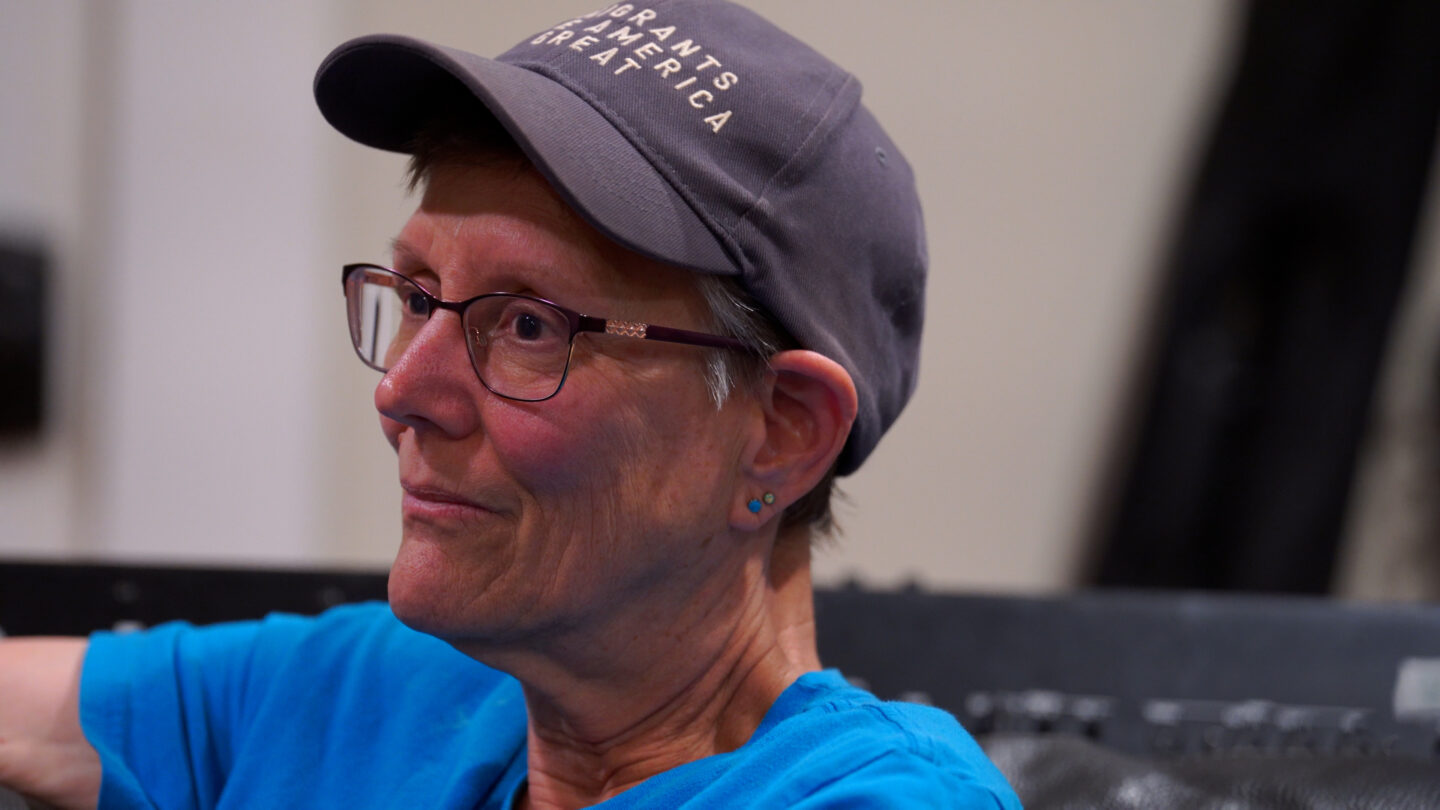
Koinonia’s mission is rooted in the Sermon on the Mount, said Sue Morrison, another member of the farm.
“It’s simple. Love your neighbor as yourself,” she said.
Morrison said those who live and work at Koinonia see their physical proximity to Stewart Detention Center as an opportunity to love others. They’re right on the edge of Americus, Georgia. Koinonia’s main ministry to Stewart is preparing deportation luggage for people who request the backpacks.
Dede said she’s been negotiating with various wardens for nearly 15 years to bring the luggage to the detention center. Over the last two decades, they’ve hosted people visiting family and friends at Stewart, people showing up for court dates at the immigration court attached to the detention center, and helped recently released immigrants get back on their feet after detention.
“When we live together in that radical reconciliation that Jesus is calling us to,” Dede said, “there’s just way more than enough for everyone.”
This is part five of the WABE News series “Detained in Georgia,” where we look at one of the largest immigration detention centers in the U.S. to better understand how it affects the community — and the people detained there.