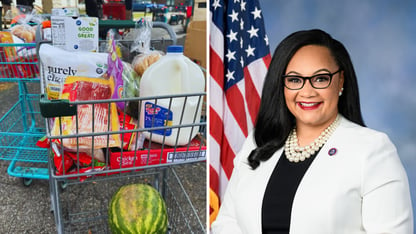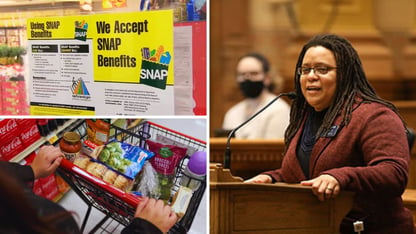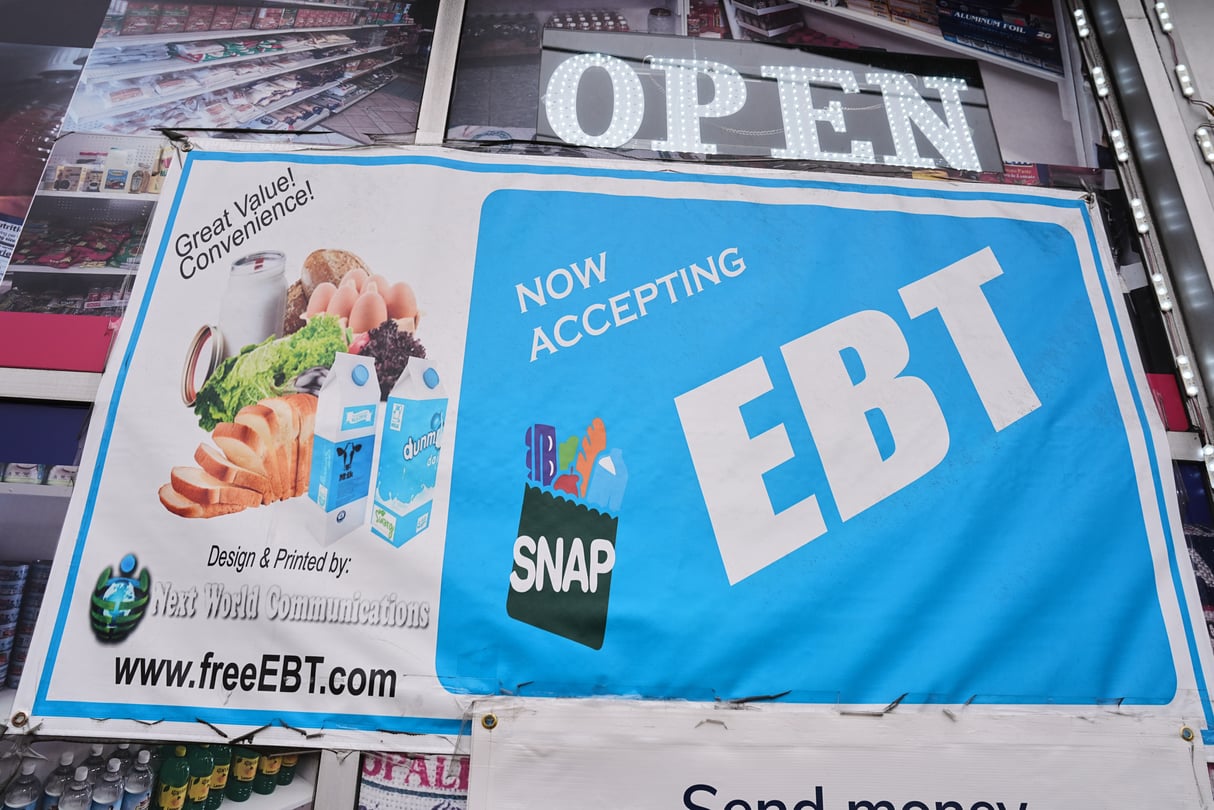
Food pantries in Georgia are bracing for impacts as benefits from the Supplemental Nutrition Assistance Program, or SNAP, won’t be renewed in November.
The United States Department of Agriculture announced in October that “there will be insufficient funds to pay full November SNAP benefits” due to the ongoing federal government shutdown.
And SNAP supports grocery shopping for nearly 1.4 million people in the state. The number includes over 600,000 kids.
“We’re worried about if we’re gonna have enough food to continue to keep feeding them,” said Kori Kimber with local nonprofit Hosea Helps. “They’re arriving here at 7 and 6 o’clock in the morning just to sit outside the gate and wait for someone to come to get the food.”
Georgia is among several other states with higher food-insecure populations. The hunger-relief group, Feeding America, reports a nearly 15% rate of food insecurity.
Data shows that these food-insecure populations are SNAP recipients. So far this year, the state’s Department of Human Services has processed over 80,000 households in Fulton County alone.
According to Baylor University economics professor Craig Gundersen, the benefits lapse would make matters worse.
“This definitely poses a very serious, a very serious threat,” Gundersen said. “These families were expecting to get these SNAP benefits; they’ve been planning for that, but all of a sudden it’s taken away. You’re gonna see this will lead to an increase in food insecurity due to this.”
The lack of access especially impacts vulnerable populations, including kids and people who may have disabilities or mental health challenges. These groups are further affected if they are people of color, according to New Disabled South CEO Dom Kelly.
“In this country, there are nearly 14 million disabled people who receive SNAP. Disabled people in this country, and particularly here in the South, are twice as likely to experience poverty and food insecurity compared to non-disabled people. So, we are talking about people who are directly impacted in disproportionate ways, who need food assistance the most,” Kelly said.
There have been several efforts by local and state officials to help or connect people in need to food and other resources. Several officials are urging that reserve funding be used to keep some SNAP benefits going.
“We call on Governor Kemp to work with us legislators to proactively use state funds to support SNAP if the federal government shuts down, so Georgia families will not suffer. As state leaders, we cannot stand idly by while Georgians endure the ripple effects,” said Democratic state Sen. Nikki Merritt during a press conference with Georgia’s Legislative Black Caucus.
On Friday, SNAP recipients can still use remaining funds on their cards. The fund will not renew after the Nov. 1 cutoff date.