This story was updated on Wednesday, Dec. 10 at 11:51 a.m.
An increasing number of factors are making it harder and more expensive for low-income Georgians to access and afford health care.
Cuts made by the Trump administration, individuals losing insurance, and a national trend of hospital closures are placing mounting pressure on the remaining health care infrastructure.
In WABE’s series, “Medical Wealth Gap: Filling the cracks in Atlanta’s safety net,” we look at the impending changes to health care and what they will mean for people in Georgia.
ACA enhanced subsidies
More than 1.5 million Georgians have Affordable Care Act health insurance coverage through the Georgia Access Marketplace.
Now, enhanced premium tax credits that have made that Marketplace coverage more affordable are set to expire at the end of the year unless Congressional Republicans and Democrats agree on an extension.
An estimate by the Kaiser Family Foundation finds the change would push many people’s monthly out-of-pocket premiums up by more than double on average.
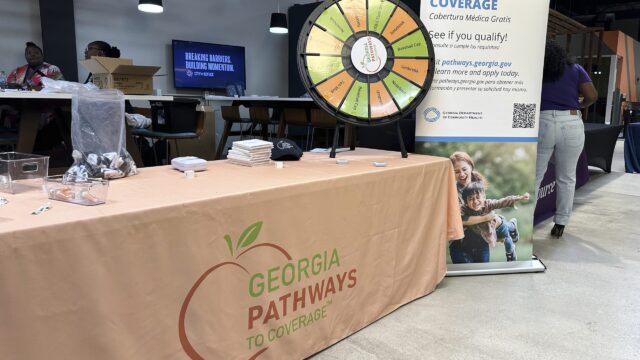
Additionally, Georgia’s Pathways to Coverage program, which was also set to expire at the end of the year, has been extended until the end of 2026 to iron out some of the kinks with implementing work requirements. However, it signed up far fewer Georgians in the coverage gap than predicted.
This has left many Georgians in the position of carefully weighing their options, and even considering going without health insurance.
More uninsured Georgians and overwhelmed ERs
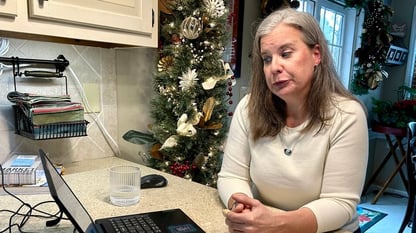
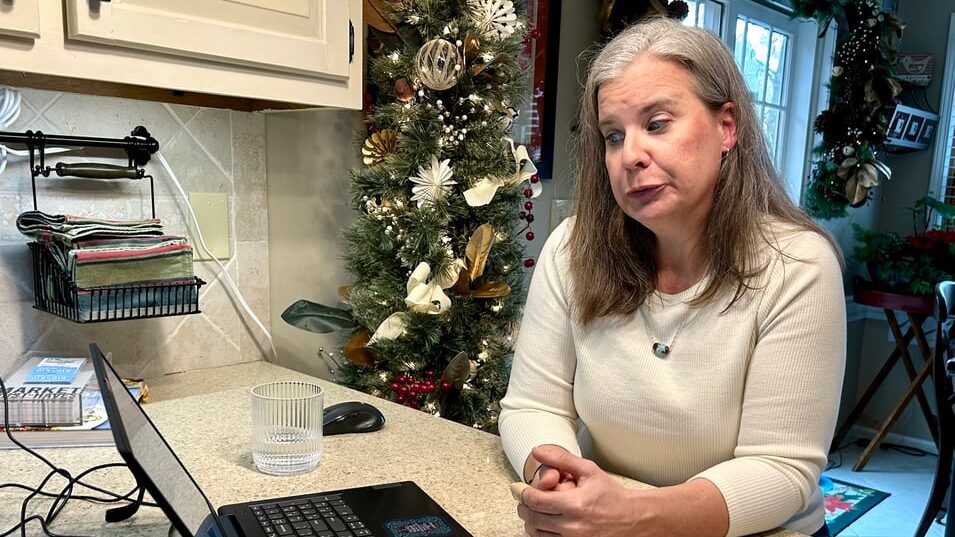
Deanna Williams, Georgians for a Healthy Future Enrollment Assister, is part of the state’s Certified Application Counselor (CAC) program. She said some of the people she works with are facing increases well beyond their budgets, forcing them to look elsewhere for health care.
In many cases, that means waiting until conditions are severe enough to warrant a visit to the emergency room or turning to free and low-cost clinics that cannot offer more advanced, specialized care.
“They’re going to go to the emergency rooms for care because typically, the emergency room can’t turn you away. And it’s going to also overwork the sliding scale clinics or even volunteer clinics,” Williams said. “They’re going to get an increase in the influx of people coming to receive services there because they no longer have health insurance.
The situation is even worse in rural parts of the state, where closures have been on the rise, and hospitals that remain open are having to cut back on services and departments to stay open.
Williams recommends that insurance marketplace customers carefully evaluate available plans to find the option that best suits their needs.
“Compare plans beyond their monthly premium to make sure that the plan shows them their total cost picture, co-pays, deductibles, and co-insurance, said Williams. “A lot of people will just pick the plan based on the monthly premium and then later on find out that the plan doesn’t necessarily cover everything that they need for their health, their specialists are not covering all of their providers.”
Christopher Alston contributed to this report.
This is part 1 of the WABE News series: “Medical Wealth Gap: Filling the cracks in Atlanta’s safety net.“