Changes to federal Medicaid funding over the next decade are adding uncertainty for the clinics and hospitals that make up Georgia’s already strained health care safety net.
Experts say the ripple effects could touch nearly every part of the state — from large metro hospitals to the rural facilities that often serve as the only point of care for miles.
As part of our series, “Medical Wealth Gap,” WABE looks at how a new federal program intended to offset those Medicaid changes could fall short of what many communities need.
A fragile rural health care landscape
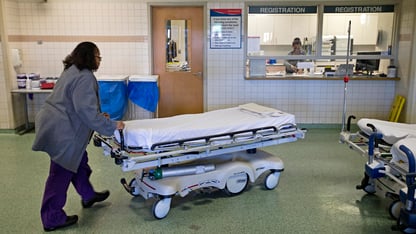
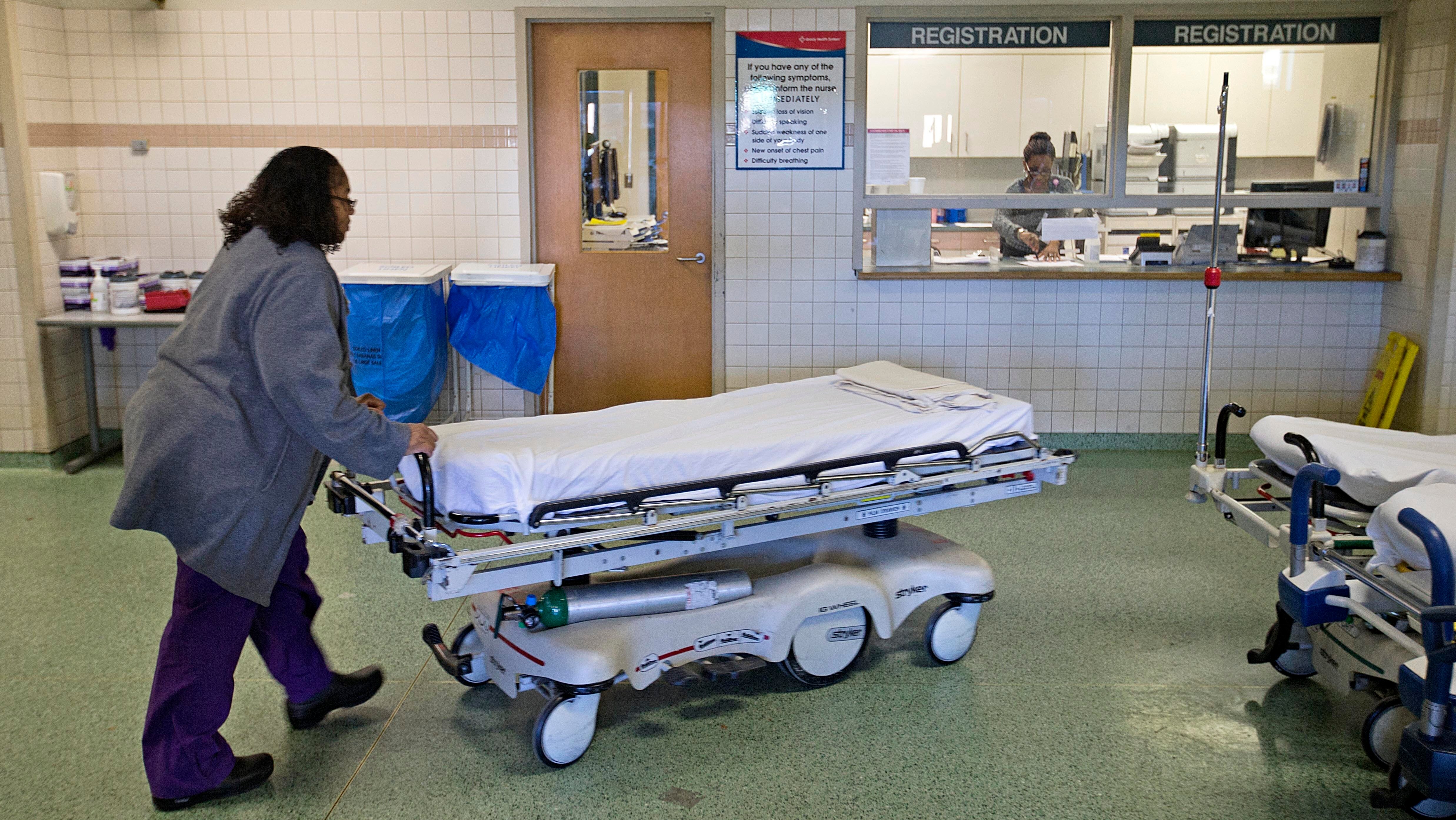
Across the country, hospitals — particularly in rural areas — are confronting declining revenues, rising labor costs and shrinking patient volumes. In Georgia, more than half of rural hospitals operate in the red, and entire service lines — from labor and delivery units to emergency departments — have been forced to close. Several hospitals have shut down entirely.
Stephen Patrick, chair of the Department of Health Policy at Emory University’s Rollins School of Public Health, said these closures have left thousands of Georgians with fewer options for basic and emergency care.
“The safety net in so many parts of Georgia is fractured,” Patrick said. “There are many parts of the state that lack adequate healthcare — either because there aren’t enough providers or because we’ve had hospital closures.”
A recent analysis by the Chartis Center for Rural Health identified 22 rural Georgia hospitals at risk of closure — nearly a third of the rural hospitals that remain open.
And the pressures aren’t limited to rural counties. In 2022, two major Atlanta-area hospitals ceased operations, creating what local critics described as an emerging “health desert” in parts of the metro region.
Federally Qualified Health Centers stepping in — but stretched
That instability places more responsibility on the state’s more than 100 Federally Qualified Health Centers (FQHCs).
These clinics are located in nearly every county and provide primary care, dental, behavioral health, pediatrics and other services on a sliding-scale fee structure — making them critical for Georgians without insurance or consistent access to medical providers.
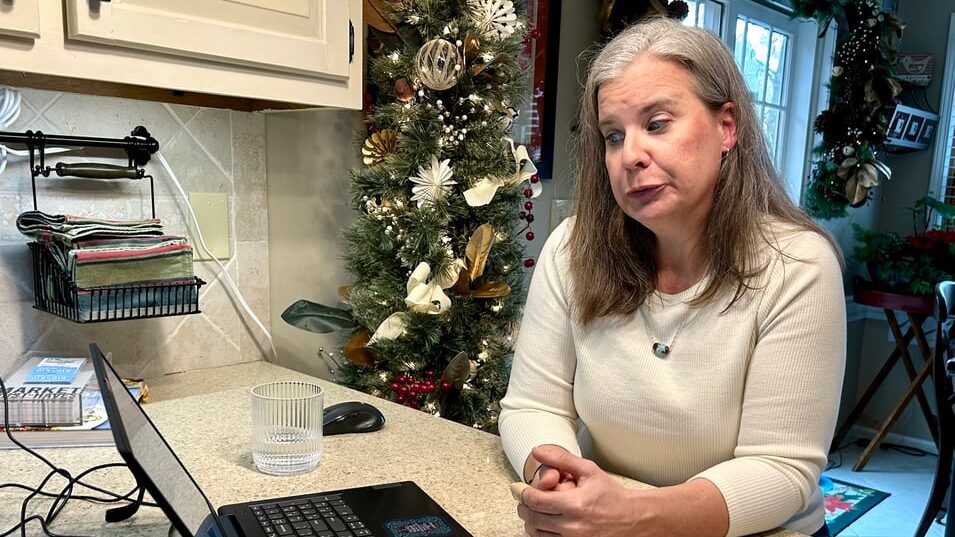
Kathryn Lawler, CEO of St. Joseph’s Mercy Care, which operates four metro Atlanta FQHC locations, said demand for care surged during the pandemic and has remained high.
“While we are doing our best to eliminate the time that people might have to wait for an appointment, we still have far more requests for care than we can deliver in a short time,” Lawler said.
Lawler said the rising administrative complexity of Medicaid has also created new barriers for both patients and clinics as the state continues reviewing eligibility following the end of COVID-era protections.
“That has been a big shift for us,” she said. “We’ve had to go back to the drawing board again and again to figure out how to navigate constant uncertainty.”
Federal changes could deepen the funding gap
Both FQHCs and rural hospitals rely heavily on Medicaid reimbursements. That means they are likely to feel the impact of expected federal Medicaid cuts most acutely.
A report from KFF, a national health policy research group, projects that federal Medicaid spending in rural communities will drop by $155 billion over 10 years under the Trump administration’s tax and spending plan.
To counteract those reductions, the administration is promoting the Rural Health Transformation Program, which sets aside $50 billion in temporary grants over five years. But policy experts warn the math doesn’t add up: The cuts are permanent, while the relief program expires.
Patrick said that mismatch could leave vulnerable hospitals and clinics worse off in the long run.
“We already know what works and what doesn’t work in the health care system,” he said. “I don’t see how pilots or short-term grants are going to get us where we need to go. What happens in five years, 10 years in those communities?”
How the new funding would be distributed
The Centers for Medicare and Medicaid Services (CMS) will review state applications and divide the $50 billion pot into two parts:
- $25 billion distributed evenly among approved states
- $25 billion allocated based on factors including states’ alignment with the administration’s Make America Healthy Again policy priorities
But there’s still uncertainty about how much will reach rural areas specifically. Some experts note that because the program doesn’t reserve funds exclusively for rural communities, urban clinics like Mercy Care could benefit. At the same time, rural hospitals — often the most financially fragile — may receive less support.
“We have a lot to be determined as we work through the process,” Lawler said. “Will Georgia be able to really benefit from the rural health transformation grants? Maybe. But what does that actually look like?”
Federal officials have specified that the grants must support new initiatives that improve rural health care delivery — such as telemedicine expansion, community paramedicine or new care coordination models.
But the money cannot be used to stabilize hospitals that are struggling with basic operating deficits.
That distinction is key, Patrick said. Many rural facilities need immediate financial support due to years of accumulated losses. Without it, even innovative programs may not be enough to keep their doors open.
States that applied for the Rural Health Transformation Program expect to hear back from CMS by Dec. 31.
Georgia health leaders say they will watch closely to see whether the program can meaningfully offset the looming Medicaid reductions — or whether more closures and care shortages lie ahead.
This is part 3 of the WABE News series: “Medical Wealth Gap: Filling the cracks in Atlanta’s safety net.“