Georgia regulators are launching an investigation into how large power users like data centers pay for fuel. It’s an effort to ensure other Georgia Power customers aren’t paying extra costs driven by the growth of the energy-hungry industry.
Advocacy groups that have been pushing for more protections for residents and small businesses as the data center business booms applauded the move.
“Georgians deserve to understand exactly who is paying for the massive growth in electricity demand from data centers, and who isn’t,” Ja’Mae Rooks of Georgia Conservation Voters Education Fund said in a statement.
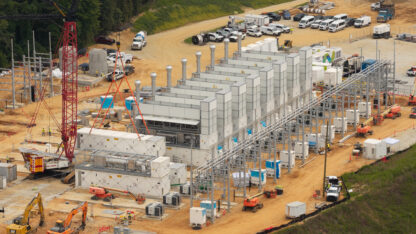
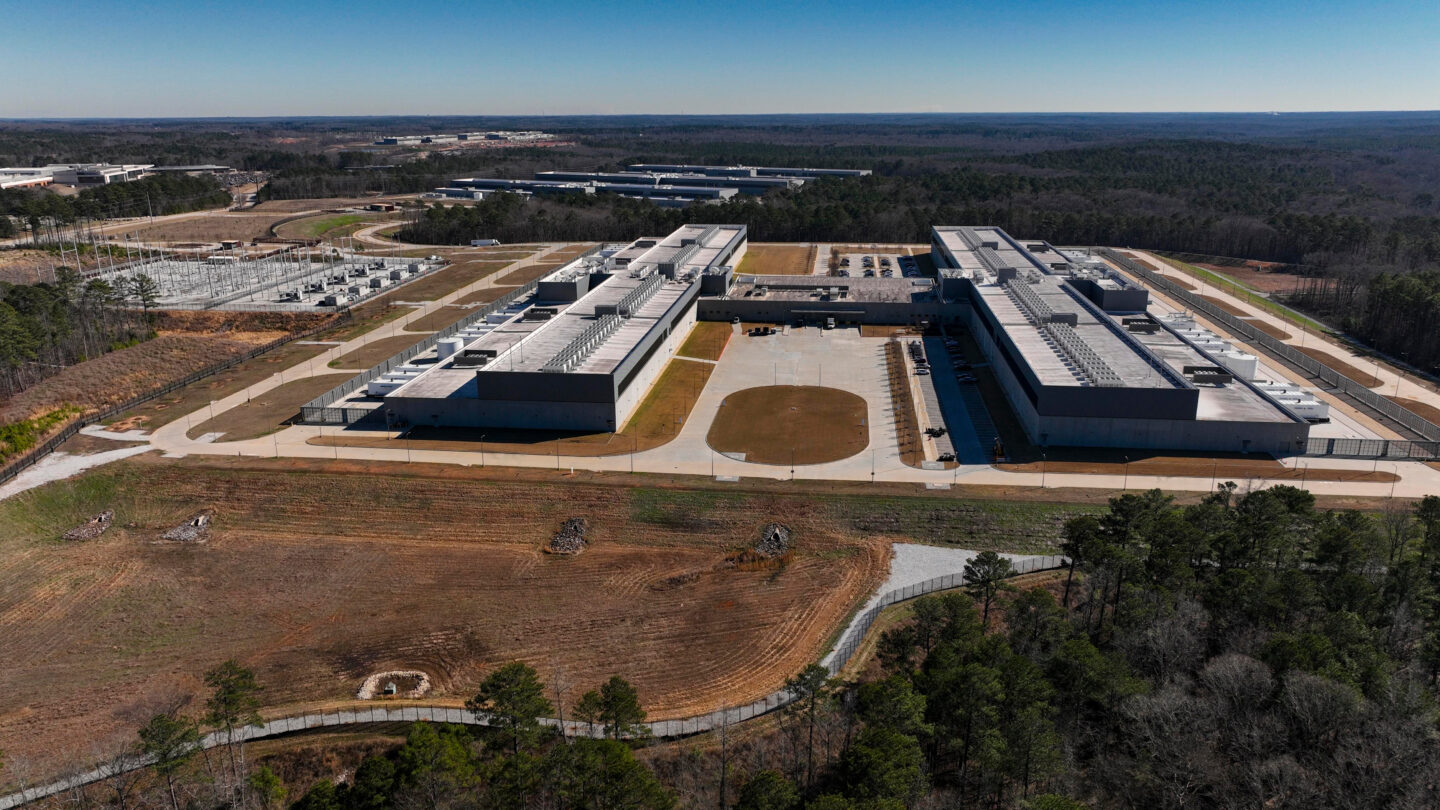
Data centers, particularly the large ones known as hyperscalers used for generative AI, use enormous amounts of electricity — so much that Georgia Power is building new infrastructure to meet the demand. Late last year, the Georgia Public Service Commission approved about ten gigawatts of new energy capacity to serve the higher demand the utility is predicting, mostly from data centers. That’s nearly five times the capacity of the new nuclear reactors at Plant Vogtle.
Earlier in 2025, the commission approved new contract terms to help ensure data centers and other large customers pay for infrastructure built to serve them, and Georgia Power has said it will cover costs if the predicted data center demand doesn’t materialize.